Description
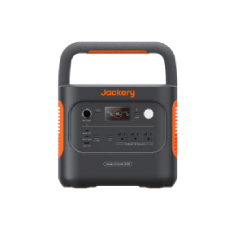
Jackery Canada offers portable power stations, solar generators, solar panels and home-backup energy systems designed for camping, travel, off-grid use and emergency preparedness.
The Canadian storefront focuses on rechargeable battery power and solar charging systems that can provide electricity away from the grid without relying on a conventional gas generator.
Portable Power Stations
Portable power stations are at the center of the Jackery lineup. These rechargeable battery systems can power or charge compatible electronics and appliances through AC outlets, USB ports and other connections.
They are designed for use in situations such as camping, RV travel, outdoor work, temporary outages and mobile setups.
Different Capacity Levels
Jackery offers portable power stations in a range of sizes and capacities.
Smaller units are easier to carry and may be suited to phones, laptops, lights and smaller electronics, while larger systems are intended for higher-demand appliances and longer backup periods.
Solar Generators
Jackery solar-generator kits combine a portable power station with compatible solar panels.
This allows the battery to be recharged from sunlight when grid electricity is unavailable or inconvenient.
Solar Charging
Solar charging performance depends on panel size, sunlight, angle, weather and the charging limits of the connected power station.
Actual recharge times can vary significantly from ideal laboratory conditions.
Solar Panels
The Jackery Canada range includes portable solar panels designed to work with compatible power stations.
Foldable designs can be useful for camping and travel because they are easier to store than permanently installed rooftop panels.
Portable Solar for Travel
Portable panels can help extend off-grid use during camping trips, road travel and remote work.
They are especially useful when access to conventional outlets is limited for several days.
Camping Power
A portable power station can provide convenient electricity at a campsite for compatible lighting, phones, cameras, laptops and other small devices.
Larger systems may also support higher-draw appliances, subject to the unit’s rated output.
RV Travel
Jackery products can complement RV electrical systems by providing an independent portable energy source for selected devices.
Always compare appliance wattage and surge requirements with the power station’s specifications before connecting equipment.
Road Trips
Portable power can be useful for charging cameras, phones, tablets and other travel electronics without relying entirely on vehicle outlets.
Emergency Backup
Power stations can also serve as temporary backup during outages.
They can help keep essential electronics operating for a limited period depending on battery capacity and load.
Home-Backup Systems
Jackery’s larger systems extend beyond basic portable use into home-backup applications.
These higher-capacity products are intended for households that want more substantial battery storage for outages or emergency planning.
Know Your Power Needs
Before choosing a system, estimate what you actually need to run.
Consider:
- Device wattage
- Startup or surge power
- How many hours of use are needed
- How often the system can be recharged
- Whether solar charging will be available
Do Not Choose by Battery Capacity Alone
Battery capacity is important, but inverter output matters too.
A battery can have plenty of stored energy and still be unable to run an appliance whose instantaneous power requirement exceeds the inverter rating.
Check Surge Ratings
Some appliances draw more power when starting than they do during normal operation.
Refrigerators, pumps and certain tools are common examples.
AC Outlets
Jackery power stations typically include conventional AC outlets for compatible household and travel devices.
The number and type of outlets vary by model.
USB Charging
USB ports can simplify charging phones, tablets, cameras and smaller electronics without requiring separate AC adapters.
DC Outputs
Selected models include DC outputs for compatible travel and automotive accessories.
Fast Charging
Charging speed varies by model and power source.
Some systems support faster AC charging, while solar charging depends heavily on available sunlight and panel configuration.
Battery Chemistry
Battery chemistry differs across product generations and models.
Current lithium-based systems are designed around rechargeable use and portability, but lifespan and cycle ratings should be checked for the exact model.
LiFePO4 Models
Selected newer Jackery products use lithium iron phosphate battery chemistry.
LiFePO4 is commonly used in modern power stations because it can offer long cycle life and stable performance.
Battery Cycle Life
Rechargeable batteries gradually lose capacity over time.
Cycle-life specifications indicate how many charge-discharge cycles the battery is designed to complete before capacity falls to a stated percentage.
Store Batteries Properly
Battery systems should be stored according to the manufacturer’s temperature and charge-level guidance.
Avoid prolonged exposure to excessive heat, freezing temperatures or moisture.
Recharge During Long-Term Storage
If a power station is stored for long periods, follow the recommended maintenance-charging schedule.
Allowing a battery to remain completely discharged for an extended period can reduce performance.
Indoor Use
Unlike gasoline generators, battery power stations do not produce combustion exhaust during operation.
That can make them much more practical for indoor use, though ventilation and temperature guidance should still be followed.
No Fuel Storage
Battery-based systems do not require gasoline or propane for ordinary operation.
This reduces the need to store combustible fuel around the home.
Quiet Operation
Portable power stations are generally much quieter than engine-driven generators.
Cooling fans may still operate under heavier loads or during charging.
Solar and Clean Energy
Jackery’s solar charging options allow stored battery energy to be replenished using sunlight.
This is one of the reasons Blue Sky places Jackery Canada in the Green Clean Standard.
Why Green Clean Standard
The brand’s core products are built around rechargeable battery storage and solar energy rather than combustion-based portable generation.
While batteries and electronics still have manufacturing impacts, the product category directly supports renewable-energy use and reduced dependence on fuel-powered generators.
Solar Panel Placement
Portable solar panels perform best when positioned in strong direct sunlight and oriented appropriately toward the sun.
Shade from trees, buildings or even part of the panel can reduce output.
Weather Matters
Cloud cover and changing sun angles can significantly affect solar charging speed.
Plan conservatively when solar is the only charging source available.
Use More Panel Capacity for Faster Solar Charging
Where supported, combining multiple compatible panels can increase available charging input.
Always remain within the power station’s maximum solar-input specifications.
Do Not Mix Incompatible Panels
Voltage, connector type and controller limits matter.
Use solar panels and adapters approved or confirmed compatible with the specific power station.
Portable Versus Permanent Solar
Jackery’s portable panels are designed around flexibility rather than permanent rooftop installation.
They can be set up when needed and stored afterward.
Weight Matters
Larger power stations can become heavy.
If the system will be moved frequently, compare weight as carefully as battery capacity.
Think About Handles and Wheels
Some larger systems include design features that make movement easier.
These details can matter considerably when transporting equipment between a garage, vehicle and campsite.
Home Emergency Planning
Before an outage, decide which devices are genuinely essential.
Using stored energy selectively can extend backup time substantially.
Prioritize Essential Loads
Phones, lighting, communications equipment and selected refrigeration may be more important during an outage than high-draw entertainment or heating appliances.
Test Before an Emergency
Do not wait for an outage to learn how the system works.
Charge the unit, connect expected devices and confirm runtime assumptions beforehand.
Use Compatible Extension Cords
If extension cords are required, use cords properly rated for the electrical load and environment.
Do Not Exceed Rated Output
Connecting appliances above the power station’s rated output can trigger protection systems or prevent the device from operating correctly.
High-Draw Appliances
Electric heaters, kettles, hair dryers and similar appliances can consume large amounts of power.
Check wattage before assuming a portable system can run them efficiently.
Refrigerator Backup
Some larger Jackery systems can support refrigerators for temporary backup.
Actual runtime depends on refrigerator efficiency, room temperature, compressor cycling and the capacity of the power station.
CPAP and Medical Equipment
People considering battery backup for medical equipment should verify exact power requirements, compatibility and runtime with the device manufacturer.
Do not rely on rough estimates for critical medical use.
Outdoor Work
Portable power stations can also support compatible tools, laptops and electronics in locations without nearby outlets.
Photography and Video
Photographers and content creators can use portable power for batteries, laptops, lights and related equipment during remote shoots.
Cabins and Off-Grid Spaces
Solar-generator systems can provide limited electricity for cabins, workshops and other remote spaces without permanent utility power.
Do Not Treat a Portable System Like Unlimited Grid Power
Every battery has a fixed amount of stored energy.
Using several high-draw appliances at once can drain even a large system quickly.
Monitor Remaining Capacity
Battery displays and connected controls can help track available power and estimated remaining runtime.
Recharge Before the Battery Is Needed
Emergency equipment is most useful when it is already charged.
Include battery checks in routine household emergency preparation.
Travel With Lithium Batteries Carefully
Large lithium battery systems are subject to transportation restrictions.
Do not assume a power station can be carried on commercial aircraft.
Air Travel Restrictions
Most large portable power stations exceed standard airline lithium-battery limits and should not be packed for passenger air travel without confirming current carrier rules.
Vehicle Storage
Avoid leaving battery systems for extended periods in extremely hot vehicles.
High temperatures can affect lithium battery performance and longevity.
Keep Equipment Dry
Unless a specific model is rated for exposure, protect power stations and connections from rain and standing water.
Solar Panels Need Different Care
Portable panels are built for outdoor use but should still be stored clean and dry when not needed.
Canadian Store
This Blue Sky listing links specifically to the Jackery Canada storefront.
Prices, promotions, inventory and shipping terms are intended for Canadian customers and may differ from Jackery’s U.S. store.
Canadian Pricing
Products on the Canadian storefront are generally priced in Canadian dollars.
Blue Sky does not display a fixed product price because Jackery offers many different systems and pricing changes over time.
Shipping Within Canada
Jackery Canada ships products to supported Canadian destinations according to its current delivery policies.
Large battery systems may have different shipping restrictions from smaller accessories.
Check Remote-Area Delivery
Customers in remote or northern areas should confirm current delivery eligibility and any additional shipping restrictions before ordering.
Warranty
Jackery products include warranty coverage that varies by model.
Some products may also offer extended warranty registration or promotional coverage.
Returns
Return eligibility and timelines depend on the current Jackery Canada policy and the condition of the product.
Because large power systems can be costly to ship, review return terms before purchasing.
Choose by Real-World Use
Before buying, ask whether the system will primarily be used for:
- Camping
- RV travel
- Road trips
- Emergency backup
- Outdoor work
- Off-grid cabins
- Solar charging
- Home backup
For Camping
Prioritize portability, enough battery capacity for expected electronics and compatibility with portable solar panels.
For RV Travel
Consider both battery capacity and output for the specific appliances you expect to use.
For Emergency Backup
Larger-capacity systems generally provide more flexibility, but they also cost more and weigh more.
For Solar Use
Compare maximum solar-input capacity and compatible panel configurations.
For Home Backup
Look closely at output power, battery capacity, expandability and whether the system supports the circuits or appliances you consider essential.
For Travel
Smaller portable stations may provide enough power for electronics without taking up excessive vehicle space.
Who Jackery Canada May Suit
Jackery Canada may appeal to campers, RV travelers, homeowners preparing for outages and people who want a portable rechargeable alternative to conventional fuel-powered generators.
The solar-generator range is particularly useful for shoppers who want to combine portable battery storage with renewable solar charging.
Shopping and Product Selection
Jackery systems vary considerably in battery capacity, output, weight, solar compatibility and charging speed.
Before ordering, compare the exact specifications, appliance requirements, warranty, shipping restrictions and current Canadian pricing for the model being considered.