Description
Red light therapy is a non-invasive wellness practice that uses specific red and near-infrared wavelengths to support the body’s natural cellular processes. It has become increasingly popular among athletes, wellness enthusiasts and people looking for a convenient way to complement their skincare, recovery and relaxation routines at home.
Unlike ultraviolet light, red and near-infrared light do not tan or burn the skin. Instead, carefully selected wavelengths are directed toward the body for a set amount of time, creating a simple treatment experience that can be incorporated into a regular wellness schedule.
How Red Light Therapy Works
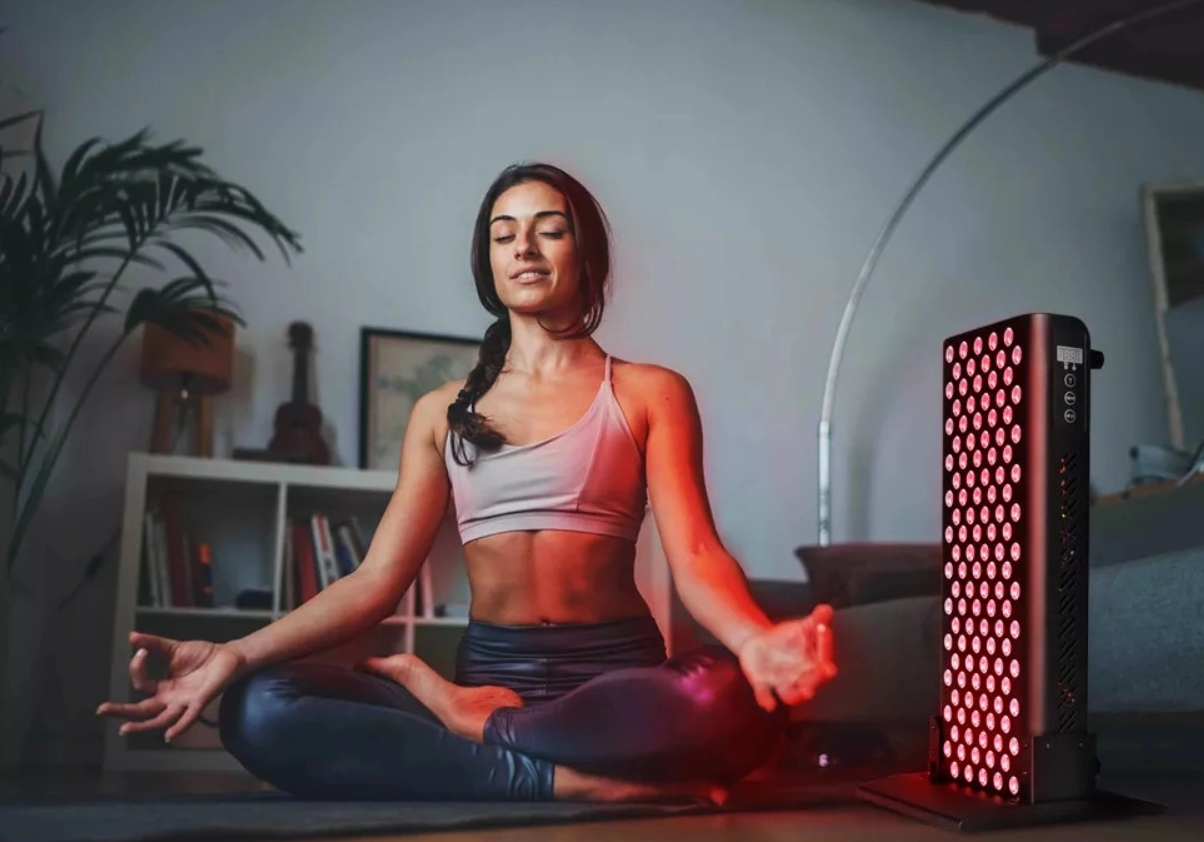
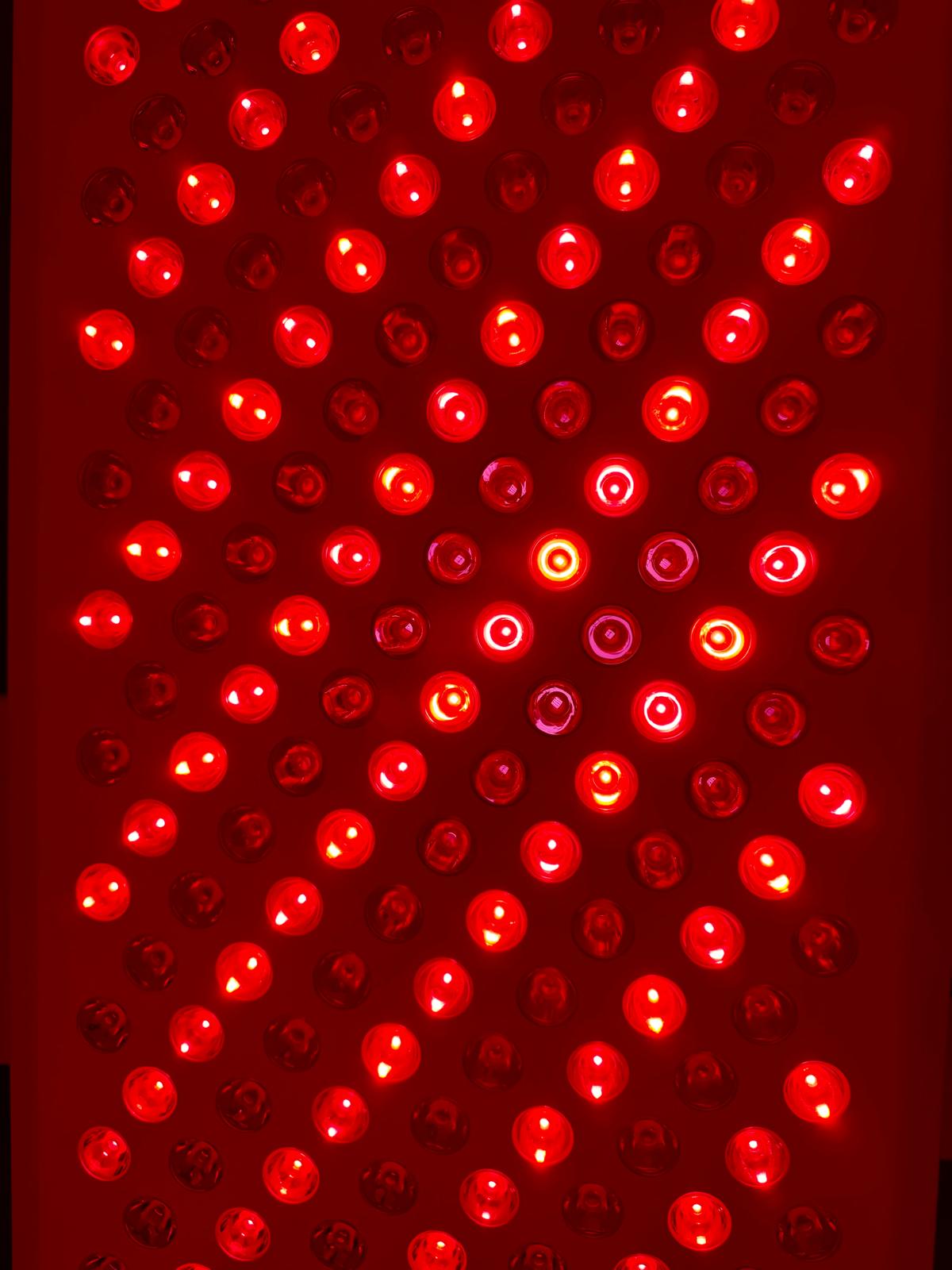
Red light therapy devices emit targeted wavelengths of visible red and near-infrared light. These wavelengths can penetrate the skin to different depths and are being studied for their effects on cellular energy production, circulation and tissue recovery.
The practice is often associated with photobiomodulation, a process in which light energy interacts with cells. Research into red light therapy continues, and results can vary depending on the device, wavelength, treatment area, session length and individual user.
Red and Near-Infrared Wavelengths
Many devices combine red light with near-infrared light because the two wavelength ranges interact with the body at different depths.
- Red light is commonly used in routines focused on the skin and more superficial tissue.
- Near-infrared light can penetrate more deeply and is often included in muscle and recovery-focused devices.
- Some devices allow the wavelengths to be used together or selected separately.
Specifications vary significantly among products, so shoppers should review the listed wavelengths, treatment area, irradiance and recommended session time before choosing a device.
Skin-Care Support
Red light therapy is commonly included in skincare routines because of its potential to support the appearance of healthy-looking skin. It may help promote a smoother, more refreshed appearance when used consistently and according to the manufacturer’s instructions.
It should not replace sunscreen, professional dermatological care or products recommended for a diagnosed skin condition. Anyone with a persistent or concerning skin issue should speak with a qualified dermatologist.
Muscle Recovery and Everyday Movement
Athletes and active individuals often use red and near-infrared light as part of a broader recovery routine. Sessions may be incorporated after training, alongside stretching, hydration, rest and other established recovery practices.
The experience is generally passive and does not require strenuous movement, which can make it easy to use while relaxing, reading or winding down after exercise. Red light therapy should not be used as a substitute for medical evaluation when pain, swelling, weakness or injury is present.
Relaxation and Nighttime Routines
Red light therapy can also become part of a calming evening ritual. The warm light and quiet session time may provide an opportunity to step away from screens, slow down and prepare for rest.
Some people include red light therapy in routines intended to support better sleep habits, but the device itself is only one part of the overall environment. Consistent sleep times, a comfortable bedroom, reduced evening stimulation and appropriate medical care remain important.
Choosing a Red Light Therapy Device
Red light therapy products range from compact facial devices and wearable wraps to larger panels and full-body systems. The best format depends on the intended treatment area, available space, budget and how often the device will realistically be used.
Important details to compare include:
- Listed red and near-infrared wavelengths
- Size of the treatment area
- Recommended distance from the device
- Suggested session length and frequency
- Irradiance or light-output information
- Timer and intensity controls
- Mounting, stand or wearable options
- Warranty and return policy
A more powerful or larger device is not automatically the best choice. A compact product that fits naturally into a daily routine may be more useful than a larger system that is difficult to position or store.
Consistency Matters
Red light therapy is generally used as a repeated wellness practice rather than a one-time treatment. Manufacturers may recommend several sessions per week, but session length and frequency should always follow the instructions for the specific device.
Using a device for longer than recommended is not necessarily more effective and may increase the risk of discomfort. Begin conservatively, follow the published guidance and monitor how the skin and body respond.
Comfort and Eye Protection
Some red light therapy devices are very bright. Depending on the product and treatment area, the manufacturer may recommend protective eyewear or instruct users to keep their eyes closed during a session.
Do not assume that all devices have the same eye-safety requirements. Follow the directions included with the individual product and avoid staring directly into bright LEDs.
Who Should Seek Medical Guidance First
Red light therapy may not be appropriate for everyone. Speak with a qualified healthcare professional before use when pregnant, managing a medical condition, receiving cancer treatment, taking a medication that increases sensitivity to light or using the device near a recent injury or surgical area.
People with eye conditions, photosensitivity disorders or implanted medical devices should also obtain individualized guidance. Stop using the device and seek professional advice if unusual pain, irritation, dizziness, vision changes or another concerning reaction occurs.
A Simple Addition to a Broader Wellness Routine
Red light therapy is most useful when viewed as one part of a balanced routine. Regular movement, adequate rest, nutritious food, hydration, stress management and appropriate medical care continue to play central roles in overall health.
For those who enjoy technology-supported wellness practices, a well-designed red light therapy device can offer a convenient, non-invasive ritual that is easy to use at home and adaptable to different skincare, recovery and relaxation goals.