

A thoughtful nighttime routine is not necessarily an elaborate one. Often, the most useful changes are the ones that make the bedroom feel calmer, the bedding more comfortable and the final moments of the day easier to enjoy.
Silk pillowcases, sleep masks and bedding can become part of that routine, but choosing silk involves more than selecting a color. Fabric weight, construction, care requirements and how the item fits into your everyday habits all matter. Promeed offers mulberry-silk bedding and sleep accessories that provide a useful starting point for understanding what to look for.
Start With the Part of Your Bed You Use Most
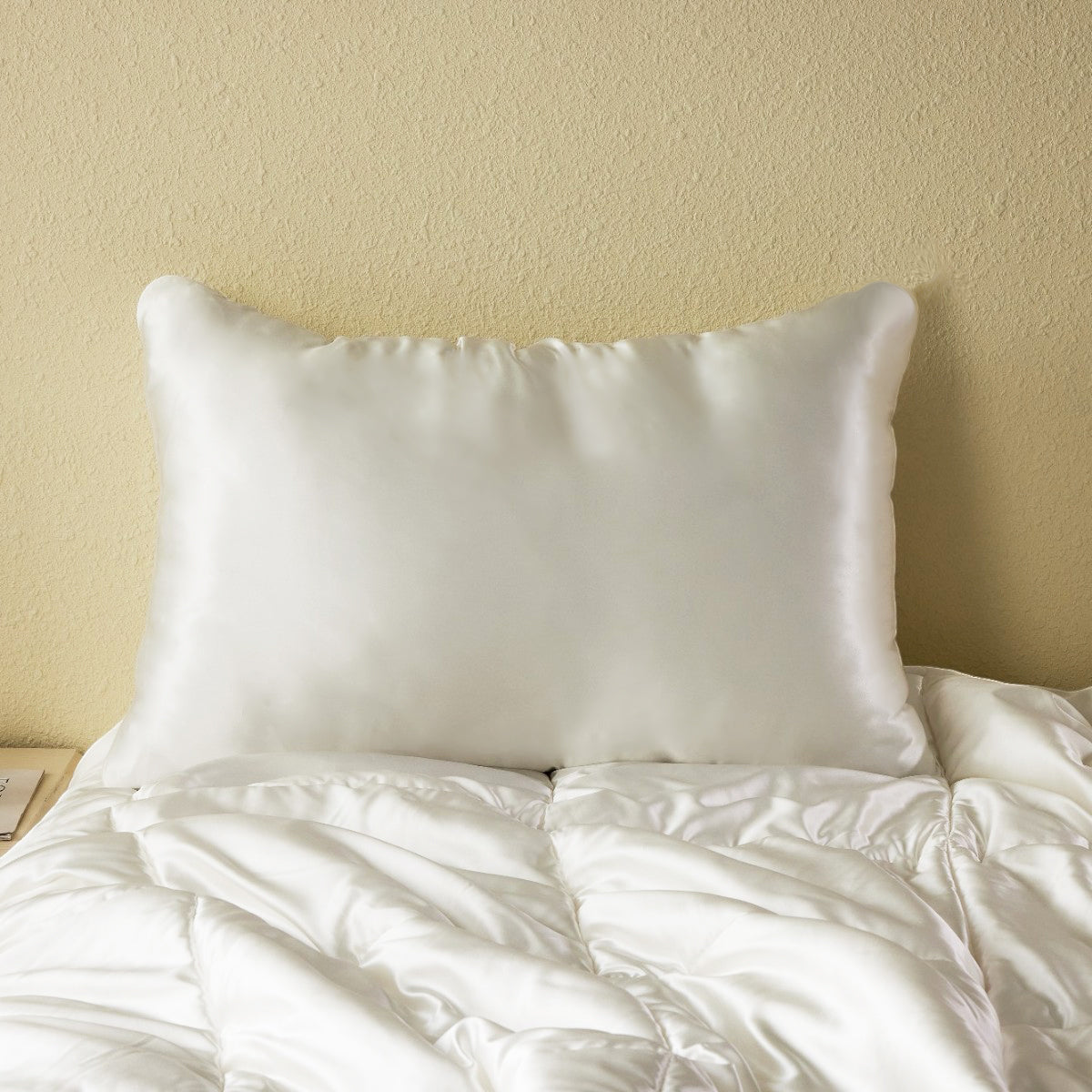
For many people, a silk pillowcase is the simplest way to introduce silk into the bedroom. It requires less commitment than replacing an entire bedding set and can be used with sheets and blankets you already own.
A well-fitting pillowcase should remain in place overnight without feeling overly tight around the pillow. Details such as a zipper closure can help prevent shifting, while the correct pillowcase size keeps the fabric from bunching or pulling.
Before purchasing, compare the stated dimensions with the pillows already on your bed. Standard, queen and king pillow sizes are not interchangeable, and an incorrect fit can reduce both comfort and appearance.
Understand What Momme Means
Momme is a measurement commonly used to describe the weight of silk fabric. In practical terms, it can help shoppers compare the density and substantial feel of different silk products.
A higher momme number does not automatically make a product ideal for every person. A lighter silk may appeal to someone who prefers a more delicate feel, while a denser silk can feel more substantial. Construction, fiber quality, finishing and care also influence the overall experience.
Promeed offers silk products in several weights, including 23-momme options. Rather than focusing only on the number, consider how the fabric will be used, how often it will be washed and what texture feels most comfortable to you.
Choose Natural Mulberry Silk Carefully
Product descriptions should clearly identify the material rather than relying only on words such as silky, satin or luxury. Satin describes a weave and may be made from several types of fiber, while mulberry silk refers to silk produced by silkworms raised on mulberry leaves.
When comparing products, look for clear information about:
- The percentage and grade of silk used
- The momme weight of the fabric
- The type of closure or construction
- Available sizes and colors
- Care and washing instructions
- Independent textile certifications
Clear specifications make it easier to compare products on more than appearance alone.
Build a Routine Around Comfort, Not Perfection
A silk sleep routine should be realistic enough to follow every night. It can begin with something as simple as dimming the lights, putting away your phone, changing into comfortable sleepwear and settling onto a pillow that feels pleasant against the skin.
A silk sleep mask may also help create a darker and more consistent environment, particularly when traveling or when the bedroom cannot be made completely dark. The mask should feel secure without pressing uncomfortably around the eyes or leaving the strap overly tight.
The goal is not to create a complicated checklist. A few repeatable actions can become a signal that the day is ending and it is time to slow down.
Think About Hair and Skin Friction
The smooth surface of silk is one reason many people choose it for pillowcases and sleep accessories. Compared with rougher bedding materials, silk may create less pulling and friction as the head moves during sleep.
This can be especially appealing for people who want to protect a hairstyle, reduce overnight tangling or simply avoid the feeling of a coarse pillowcase against the face. Results will vary, and silk bedding should be viewed as part of a personal comfort routine rather than a treatment for a medical or cosmetic condition.
Your normal skincare and haircare products should still be selected according to your individual needs. A qualified dermatologist or other healthcare professional can provide guidance when persistent skin or scalp concerns are involved.
Consider Temperature and Seasonal Comfort
Bedding comfort can change with the season. Warm sleepers may prefer lightweight layers and breathable fabrics, while cooler weather may call for additional blankets or a warmer duvet.
Silk is often chosen for its light, smooth feel, but no bedding material can compensate for a bedroom that is excessively hot or cold. The room temperature, mattress, comforter and sleepwear all contribute to how comfortable the bed feels.
Instead of expecting one product to solve every nighttime discomfort, think about the bed as a complete system. Adjusting several small elements may be more effective than changing only the pillowcase.
Learn the Proper Way to Wash Silk
Silk requires more careful laundering than ordinary cotton bedding. Always begin by checking the instructions for the specific product because care requirements can vary.
Common silk-care guidance includes using cold water, a delicate washing cycle, a protective mesh bag and a detergent intended for delicate fabrics. Harsh cleaning products, high heat and aggressive drying can damage the fibers or affect the surface of the fabric.
Air drying away from strong direct sunlight is often recommended. Make sure the item is fully dry before returning it to the bed or storing it.
Keep Silk Care Manageable
A luxury item is not especially useful when its care routine feels impossible. Before buying, consider whether you are comfortable following the recommended washing method.
Keeping a dedicated mesh laundry bag near the hamper can make silk care easier to remember. Washing silk separately from rough garments, zippers and heavy towels can also reduce unnecessary friction during laundering.
Rotate between two pillowcases when possible. This allows one to be washed and air-dried while the other remains in use, making the routine easier to maintain.
Look Beyond the Finished Fabric
Silk begins with mulberry cultivation and traditional textile production before becoming a finished pillowcase, sheet or sleep accessory. Understanding that process can add context to the material and encourage more thoughtful purchasing and care.

Certifications can also provide useful information. Textile standards may address testing for certain harmful substances, manufacturing controls or other aspects of production. Review what a particular certification actually covers rather than assuming all labels represent the same criteria.
Create a Bedroom That Feels Personal
Silk bedding is available in many colors and styles, but the best choice is one that fits naturally with the room you already have. Neutral shades can create a calm, coordinated look, while deeper or warmer colors can add contrast and personality.
A matching silk eye mask or accessory can make the routine feel more cohesive, but every piece does not need to come from the same collection. Comfort, care and regular use are more important than creating a perfectly matched display.
Explore Promeed at Blue Sky Luxury Living
Promeed offers mulberry-silk pillowcases, bedding, sleepwear and accessories for shoppers interested in creating a softer and more considered nighttime environment.
Visit the Promeed product page at Blue Sky Luxury Living to learn more and explore the collection.