
A good hair-care routine does not need a crowded shower shelf or a complicated sequence of products. For many people, the foundation is simply a shampoo that cleans effectively and a conditioner that adds enough softness and slip without leaving the hair feeling heavy.
The difficulty is finding the right balance. Washing too aggressively can leave the scalp and lengths feeling dry, while using too much conditioner can make some hair types feel coated or flat. A simpler approach begins with understanding what each product is meant to do and adjusting the amount and frequency to suit your own hair.
Understand the Different Roles of Shampoo and Conditioner
Shampoo is primarily used to cleanse the scalp and remove oil, perspiration, styling products and everyday buildup. Conditioner has a different role. It is generally applied after shampooing to help soften the lengths, improve manageability and make detangling easier.
Because the products perform different jobs, they do not always need to be applied to the same areas. Shampoo is usually most important near the scalp and roots, while conditioner is often most useful through the mid-lengths and ends.
Choose a Shampoo Based on Your Scalp
When selecting a shampoo, begin with the condition of your scalp rather than focusing only on the ends of your hair. A scalp that becomes oily quickly may require a different washing schedule from one that tends to feel dry or sensitive.
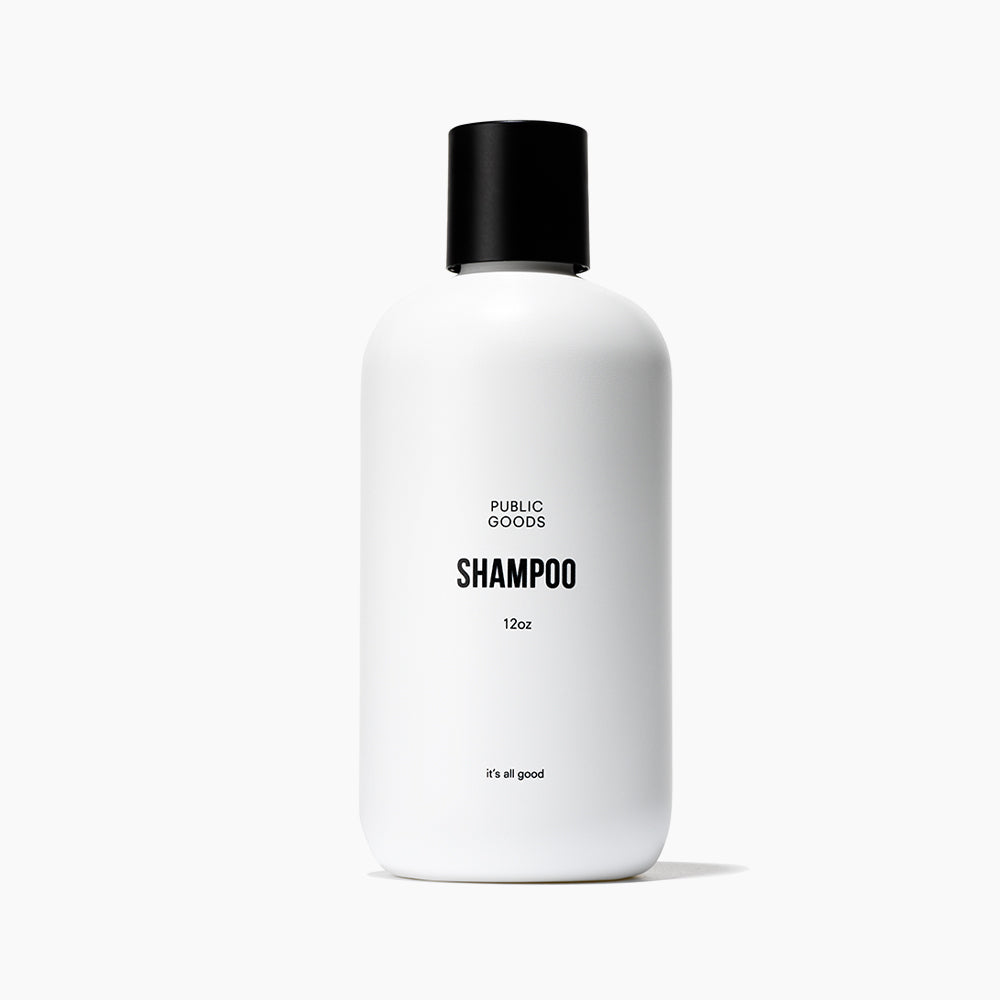
A gentle shampoo can work well for regular cleansing when it removes buildup without leaving the hair feeling rough or uncomfortable. Public Goods describes its shampoo as using plant-derived, sulfate-free cleansing ingredients and offers both a light citrus scent and a fragrance-free option.
Fragrance-free formulas may appeal to people who prefer unscented personal-care products, although fragrance-free does not automatically mean that a product will suit every sensitive scalp. Review the complete ingredient list and discontinue use if irritation occurs.
Apply Shampoo Where It Is Needed Most
Thoroughly wet the hair before applying shampoo. Place a modest amount in the hands, distribute it between the palms and concentrate the product around the scalp.
Use the fingertips rather than the nails to massage gently around the hairline, crown and back of the head. The lather that moves through the lengths during rinsing is often enough for routine cleansing, particularly when the ends are dry or fragile.
People who use a large amount of styling product, swim regularly or go longer between washes may occasionally need a second light cleanse. That does not mean double shampooing is necessary every time.
Use Conditioner According to Hair Length and Texture
Conditioner needs can vary considerably. Short or fine hair may require only a small amount, while long, thick, curly or dry hair may benefit from more generous application.
Begin with the mid-lengths and ends, where hair is typically older and more exposed to brushing, heat styling and environmental wear. Applying a heavy amount directly to the roots can make some hair types feel flat more quickly.
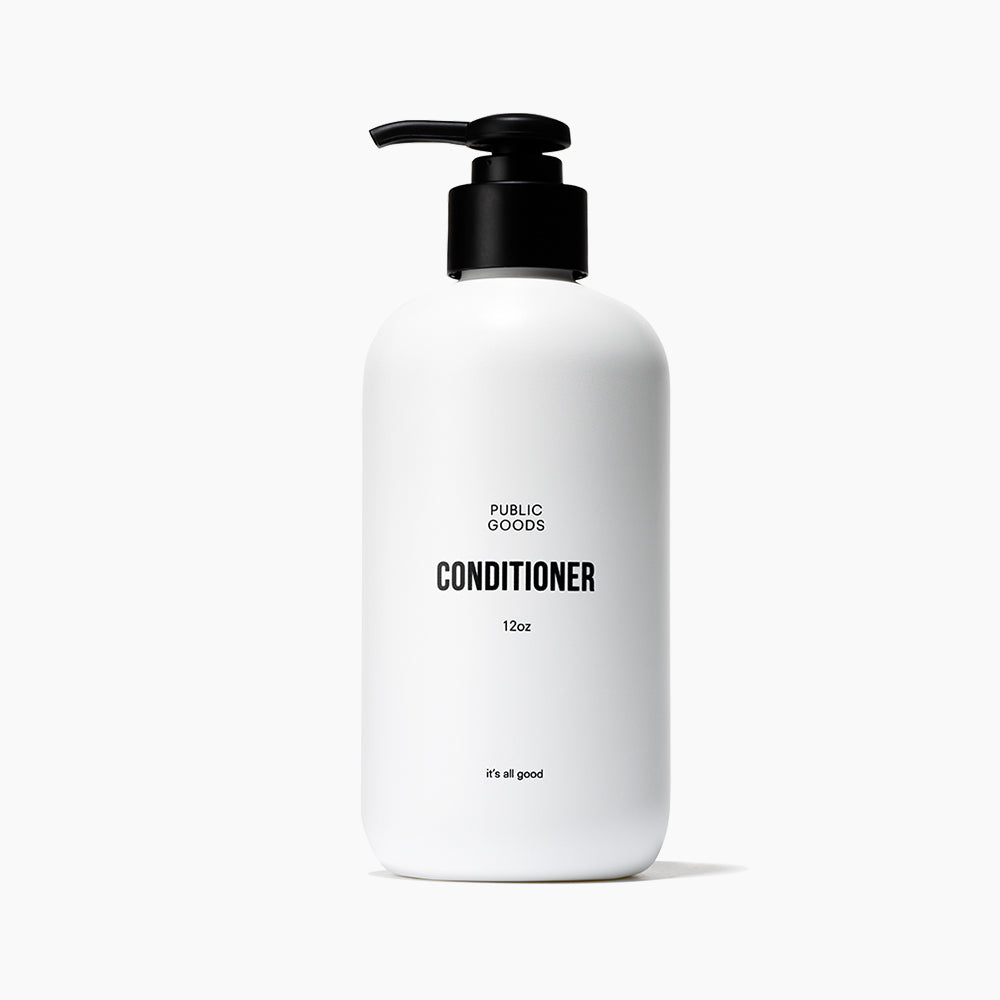
Public Goods describes its conditioner as a lightweight formula designed to hydrate, soften and detangle without excessive heaviness. The amount should still be adjusted according to the length, density and texture of the hair.
Give Conditioner Time to Work
Conditioner does not need to remain on the hair for an extended period unless the product instructions say otherwise. Even a brief pause can give you time to distribute it evenly through the lengths.
A wide-tooth comb or the fingers can help spread conditioner gently, but avoid pulling forcefully through knots. Begin near the ends and work upward in small sections.
Rinse thoroughly unless the product is specifically identified as a leave-in formula. Conditioner left unintentionally on fine hair can contribute to a coated or heavy feeling.
Adjust the Routine Instead of Following a Fixed Schedule
There is no single washing schedule that works for everyone. Hair texture, scalp oil production, exercise, climate, styling habits and personal comfort can all affect how frequently shampoo is needed.
- Wash when the scalp feels oily, uncomfortable or visibly affected by buildup.
- Use less conditioner when the hair feels flat or coated after drying.
- Use more conditioner through the ends when they feel rough or difficult to comb.
- Rinse more thoroughly when residue remains after washing.
- Reassess the routine when the season, hairstyle or activity level changes.
A routine should be flexible enough to respond to what the hair and scalp actually need rather than following a rule simply because it is popular.
Do Not Judge a Shampoo Only by Its Lather
A large amount of foam can make shampoo feel effective, but lather alone does not determine how well a formula cleans. Different surfactants produce different amounts and types of foam.
Product quantity, water hardness, existing buildup and how thoroughly the hair is wet can also change the lather. Pay more attention to how the scalp and hair feel after rinsing and drying.
Consider Fragrance as Part of the Routine
Scent can make washing the hair feel more enjoyable, but personal preference varies. Some people enjoy a light citrus fragrance, while others prefer products without added scent.
When several scented products are used together, the combination may become stronger than expected. Choosing one lightly scented product and keeping other parts of the routine neutral can create a more subtle result.
Use Refills Thoughtfully
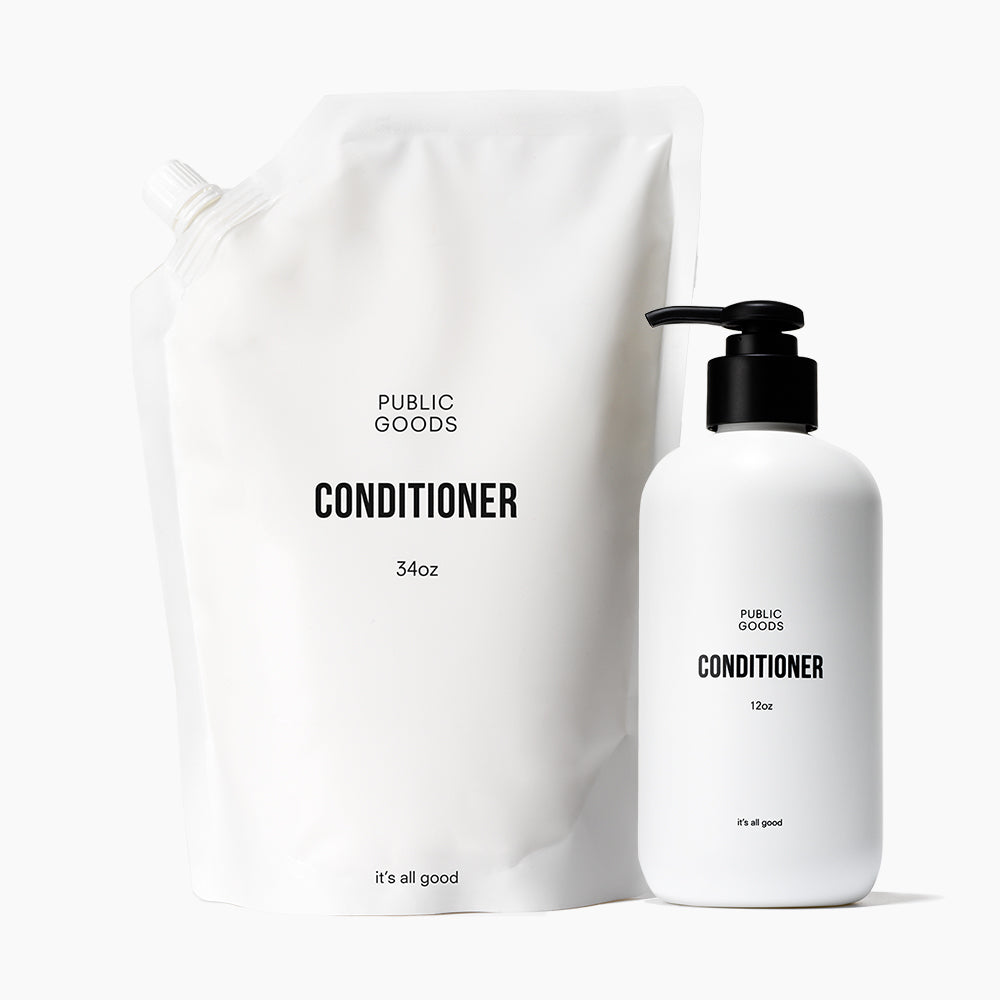
Refill sizes can reduce the need to replace a pump bottle every time the product runs out. They may also be practical for households that use the same shampoo and conditioner consistently.
Before refilling, make sure the original bottle and pump are clean and fully dry according to the manufacturer’s instructions. Avoid combining fresh product with a small amount of old product that has been sitting in the bottle for an extended period.
Pay Attention to the Complete Ingredient List
Marketing terms can be useful starting points, but they do not replace the full ingredient list. Words such as natural, gentle or clean do not have one universal meaning across every personal-care product.
Review ingredients according to your own needs and known sensitivities. Public Goods states that its shampoo and conditioner do not contain parabens, synthetic fragrance, sodium lauryl sulfates, phthalates or formaldehyde-derived ingredients. The brand also identifies the products as cruelty-free and vegan-friendly.
Anyone experiencing persistent itching, flaking, hair loss, scalp sores or other concerning changes should speak with a qualified dermatologist or healthcare professional rather than relying only on a cosmetic shampoo or conditioner.
Keep the Routine Simple Enough to Maintain
The most useful hair-care routine is one that fits naturally into everyday life. A suitable shampoo, a manageable conditioner and careful washing habits may be more valuable than collecting many specialized products that are rarely used consistently.
Begin with the basics, observe how the scalp and hair respond and make one adjustment at a time. This makes it easier to identify what is actually helping and what may be unnecessary.
Explore Public Goods Hair Care
Public Goods offers shampoo and conditioner in scented and fragrance-free options, along with larger refill sizes for households that use the products regularly.
Visit the Public Goods product page at Blue Sky Luxury Living to learn more and explore the collection.