Description
Best Kids Toys focuses on Montessori-inspired, educational and screen-free toys designed to encourage hands-on learning, independent play and creativity.
The current range includes wooden puzzles, shape sorters, stacking toys, magnetic construction sets, spelling games, sensory activities, practical-life toys and other learning-focused products for babies, toddlers and young children.
Montessori-Inspired Toys
Montessori-style toys are one of the strongest parts of the Best Kids Toys collection.
Many products are designed around one clear activity or skill rather than overwhelming children with lights, sounds and multiple electronic features.
Independent Play
Simple, hands-on toys can encourage children to experiment, repeat an activity and work through challenges at their own pace.
This type of play can be especially useful for children who enjoy building, sorting, matching and figuring things out for themselves.
Wooden Toys
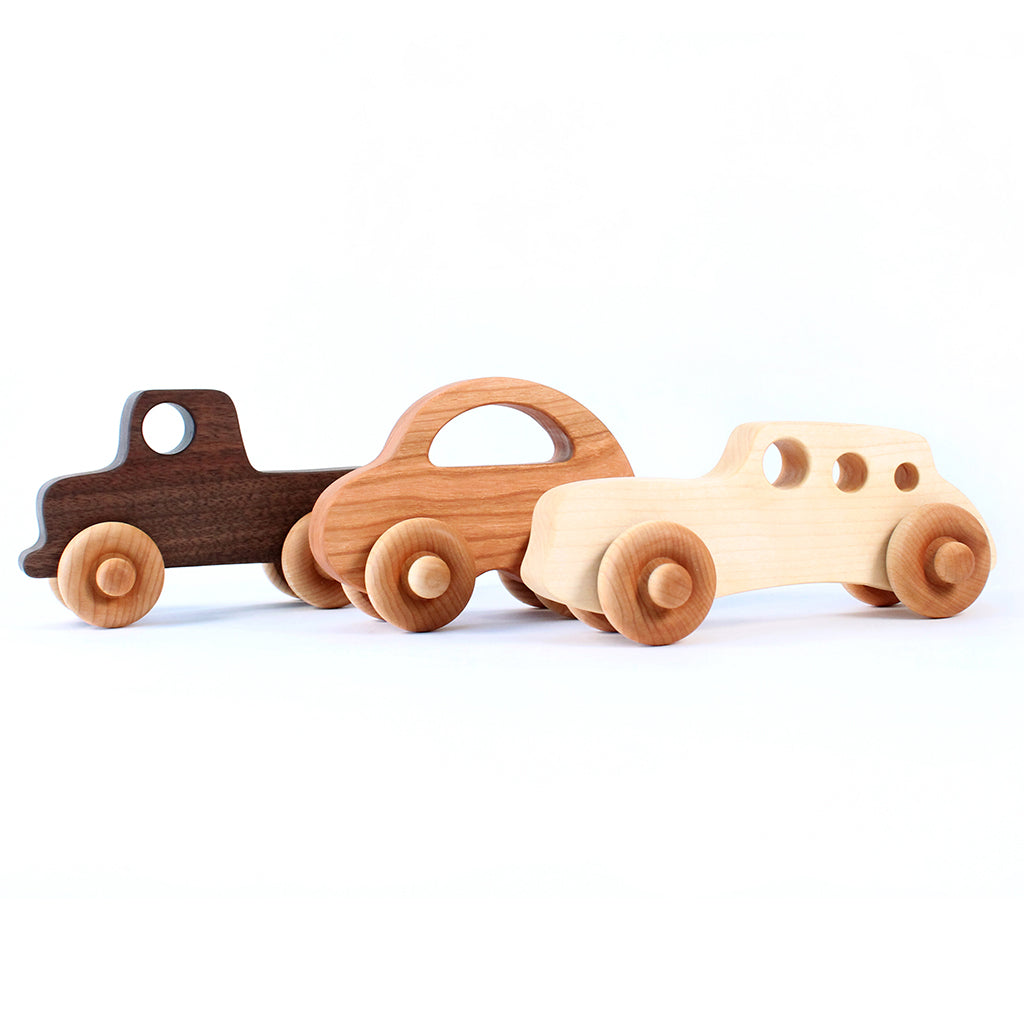
Wooden toys appear throughout the collection, including puzzles, stacking toys, clocks, blocks and practical-life activities.
Wood provides a tactile, durable alternative to lightweight plastic and can work well for toys designed to be used repeatedly over several years.
Natural Materials
Best Kids Toys emphasizes natural materials and wooden construction across many of its Montessori-inspired products.
Exact materials vary by item, so review the individual product page when material composition is important.
Non-Toxic Finishes
Selected wooden toys are described as using non-toxic finishes and child-safe paints.
Parents should still review the specific age recommendation and safety information for each toy.
FSC-Certified Wood
The brand highlights FSC-certified wood on selected products and educational guides.
FSC certification relates to responsibly managed forest sourcing and is one reason Blue Sky places the brand in the Green Clean Standard.
Why Green Clean Standard
Blue Sky places Best Kids Toys in the Green Clean Standard because the brand strongly emphasizes wooden toys, natural materials, non-toxic finishes and FSC-certified wood across many of its core products.
Not every product is identical, so exact materials and certifications should still be checked item by item.
Shape Sorters
Shape sorters are classic early-learning toys that encourage children to match shapes with corresponding openings.
They can support hand-eye coordination, spatial awareness and problem-solving through repetition.
Stacking Toys
Stacking rings and blocks help children experiment with size, balance and sequencing.
These toys are simple enough for repeated play while still changing as a child’s coordination improves.
Wooden Puzzles
The collection includes simple peg puzzles as well as more complex multi-piece wooden puzzles.
Puzzles can encourage children to compare shapes, rotate pieces and work through spatial challenges.
Montessori Wooden Tetris
The wooden Tetris-style puzzle is one of the brand’s recurring educational picks.
Children arrange geometric pieces into different configurations, encouraging pattern recognition and spatial reasoning.
Building Blocks
Open-ended wooden blocks allow children to build towers, houses, bridges and other structures without one fixed outcome.
This type of play can support creativity and experimentation.
Magnetic Building Toys
Magnetic construction sets are another major part of the broader educational-toy assortment.
Children can combine flat pieces into three-dimensional structures and explore shape, balance and spatial relationships.
Magnetic Magna Tiles
Magnetic tile sets are popular for open-ended building because they can be rearranged repeatedly into different forms.
They can support creative play while introducing basic geometry and spatial thinking.
Magnetic Train Sets
Magnetic train and track toys combine movement with construction and problem-solving.
Children can build routes, test layouts and adjust their designs when something does not work as expected.
Science Toys
The store also carries science-focused toys such as child-friendly microscopes and discovery tools.
These can encourage observation and curiosity through hands-on exploration.
Digital Microscope Cameras
Child-friendly microscope cameras can make everyday objects more interesting by letting children examine surfaces, leaves, fabrics and other small details up close.
Spelling Games
Wooden spelling and letter-matching games are available for children beginning to explore early literacy.
Hands-on letter manipulation can make word-building feel more like play than a worksheet.
Early Literacy
Letter matching, simple word building and tactile alphabet activities can support familiarity with letters and sounds.
These toys work best as playful additions rather than replacing reading together.
Number Toys
Counting toys, number puzzles and bead-based activities are available for early numeracy play.
Physical objects can help make abstract number concepts feel more concrete.
Color Recognition
Sorting toys and color-matching activities help children practice recognizing and grouping colors.
Fine Motor Play
Many Montessori-inspired toys involve grasping, pinching, threading, stacking and placing small objects.
These actions can provide practice for hand control and coordination.
Lacing and Threading Toys
Lacing toys ask children to guide cords or strings through openings, combining hand-eye coordination with patience and concentration.
Practical-Life Toys
Practical-life activities are designed around everyday actions such as sorting, pouring, fastening and using simple tools.
They can make pretend play feel closer to real daily tasks.
Tool Sets
Children’s tool sets combine building, assembly and imaginative play.
Age recommendations and small-part warnings should be reviewed carefully before purchase.
Busy Books
Busy books include hands-on activities such as buckles, fasteners, matching and sorting.
They can provide a portable screen-free activity for travel and quiet time.
Sensory Toys
Sensory toys use texture, movement, sorting or manipulation to create hands-on engagement.
These can be especially useful for children who enjoy tactile play.
Color Sorting Sensory Toys
Color sorting activities combine visual recognition with fine-motor movement.
They can be reused in different ways as children become more confident.
Screen-Free Play
Best Kids Toys strongly emphasizes screen-free activities across its educational content.
Many products require the child to build, move, sort, match or solve something rather than simply watch the toy perform.
Simple Toys Can Last Longer
Open-ended toys often remain useful as children invent new ways to use them.
A set of blocks, magnetic tiles or wooden pieces can support different kinds of play at different ages.
Rotate Toys
Keeping every toy available at once can make a play area feel overwhelming.
Rotating a smaller selection periodically can help familiar toys feel interesting again.
Age-Appropriate Play
Choose toys based on the child’s developmental stage rather than simply buying the most advanced option available.
A toy that is too difficult can become frustrating, while one that is too simple may lose interest quickly.
Toys for Babies
Baby toys should use large, secure pieces and age-appropriate materials.
Always follow current choking-hazard and supervision guidance.
Toys for Toddlers
Toddler toys often focus on stacking, sorting, matching, movement and simple problem-solving.
Toys for Preschoolers
Preschool-age children may enjoy more complex puzzles, building sets, spelling games and practical-life activities.
Toys for 5-Year-Olds
At around age five, many children enjoy toys that combine creativity with more structured problem-solving.
Magnetic construction sets, puzzles, microscopes and spelling games can provide a useful mix of open-ended and goal-based play.
Open-Ended Toys
Open-ended toys do not have one correct final result.
Blocks, magnetic tiles and building sets can be rearranged again and again into different creations.
Problem-Solving Toys
Puzzles, track-building toys and shape games encourage children to test ideas and make adjustments when something does not work the first time.
Creative Play
Construction toys, craft kits and pretend-play sets can give children room to create their own stories and designs.
Cooperative Games
Some older-child toys can introduce turn-taking and shared problem-solving.
Climbing Toys
Montessori-inspired climbing equipment such as Pikler-style structures can support active play.
These products require close attention to age limits, weight ratings, floor surfaces and supervision.
Pikler Triangles
Climbing triangles are designed for gross-motor play and should always be used in an appropriate supervised environment.
Play Kitchens
Wooden play kitchens combine imaginative play with everyday practical-life themes.
They can be used for pretend cooking, sorting and social play.
Durability
Well-made wooden toys can often withstand repeated use and may be suitable for passing between siblings.
Inspect Toys Regularly
Even durable toys should be checked periodically for cracks, loose parts, peeling finishes or other wear.
Small Parts
Small components can present choking hazards for younger children.
Always follow the manufacturer’s stated age recommendation.
Supervision
Age-appropriate supervision is still important, particularly for toys with small pieces, cords, tools or climbing components.
ASTM F963
Best Kids Toys references ASTM F963 safety standards across its educational content and curated toy guidance.
Check individual product pages for the exact safety information applicable to the toy being considered.
CPSC Guidance
Parents should also review current U.S. Consumer Product Safety Commission guidance and recall information when appropriate.
Non-Toxic Paint
Selected wooden toys use non-toxic or water-based paint finishes.
This should still be verified on the individual product page when it is an important purchasing factor.
Wood Versus Plastic
Wooden toys can provide a heavier, more tactile feel than many plastic toys.
Plastic toys can still be useful, especially where washability, flexibility or specific construction is needed.
Do Not Buy Only for Aesthetics
A beautiful wooden toy still needs to be appropriate, durable and interesting for the child using it.
Function should come before how the toy looks on a shelf.
Choose Fewer Better Toys
A smaller number of well-chosen toys can sometimes create a calmer play environment than an overflowing toy room.
Watch What the Child Returns To
The toys a child repeatedly chooses can provide clues about the kinds of challenges and activities they currently enjoy.
Grow With the Child
Open-ended toys often have the advantage of being used differently as skills develop.
Montessori Labels Are Not Everything
A toy does not become educational simply because the word Montessori appears in its title.
Look at what the child actually does with the toy: building, sorting, matching, balancing, problem-solving or creating.
Independent Success
Activities that let children see whether pieces fit or a structure stands can provide natural feedback without constant adult correction.
Keep Play Enjoyable
Educational toys should still feel like toys.
Children learn through exploration most naturally when the activity remains enjoyable rather than becoming another formal lesson.
Gift Ideas
Educational toys can make practical birthday and holiday gifts because they combine entertainment with repeated use.
Gift by Age
Age-based toy collections can make it easier to narrow choices, but individual readiness still varies.
Gift by Interest
A child who loves building may prefer blocks or magnetic tiles, while a child who enjoys words may be more interested in spelling games.
Travel Toys
Compact puzzles, busy books and small sorting activities can be useful during road trips and flights.
Keep Travel Pieces Contained
Choose travel toys with manageable pieces and bring a pouch or container to prevent parts from disappearing.
Storage
Simple baskets and low shelves can make toys easier for children to see, choose and put away.
Rotate Larger Toys
Larger climbing structures and play kitchens require more permanent space, while smaller toys can be rotated more easily.
Who Best Kids Toys May Suit
Best Kids Toys may appeal to parents, grandparents and gift-givers who prefer Montessori-inspired, educational and screen-free toys with a strong emphasis on hands-on play.
The collection is especially relevant for shoppers who value wooden toys, open-ended activities, problem-solving and early-learning play.
Shopping and Product Selection
Best Kids Toys products vary significantly in age range, materials, piece size and intended skill level.
Before ordering, review the exact age recommendation, materials, safety information, dimensions and supervision guidance for the toy being considered.