
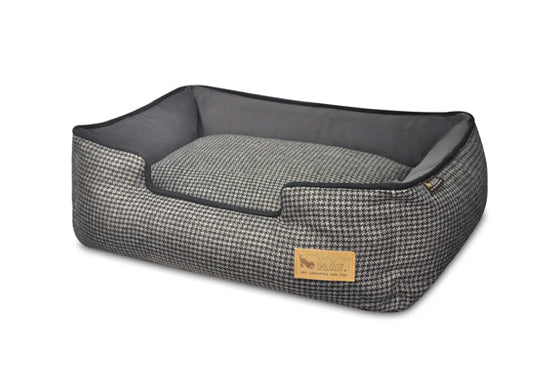
Creating a home that feels both stylish and genuinely comfortable for your pets does not mean giving up a polished interior. With a few thoughtful choices, you can make your space easier to live in every day while still keeping it beautiful, organized and welcoming.
The key is practical design. When materials, layouts and storage are chosen with real life in mind, pet-friendly living becomes much easier. Instead of treating your pet’s needs as an afterthought, you can build them into the home in a way that feels natural and visually cohesive.
Start With Fabrics That Can Handle Real Life
One of the easiest ways to make your home more pet-friendly is to pay close attention to the fabrics you bring into it. Pets naturally shed, track in dirt and add a little unpredictability to everyday life, so materials matter.
Look for upholstery and textiles that are durable, washable or easy to clean. Tightly woven fabrics often perform better than delicate weaves, and removable, machine-washable covers can make a major difference in homes where pets are allowed on furniture.
Choose Rugs With Practicality in Mind
Rugs add warmth and texture, but in a pet-friendly space they need to work a little harder. Delicate rugs can become frustrating if they trap fur, show stains easily or require complicated cleaning.
Flat-weave rugs, low-pile rugs and washable designs are often easier to maintain in high-traffic areas. If you prefer a softer layered look, choose a rug that still feels manageable rather than overly precious.
Think About Where Your Pet Actually Spends Time
A comfortable home should reflect how you really live. If your dog always relaxes near the sofa or your cat seeks out a sunny corner of the living room, plan around those habits rather than constantly trying to redirect them.
Creating a dedicated resting area in a place your pet already enjoys can make the room feel more intentional.
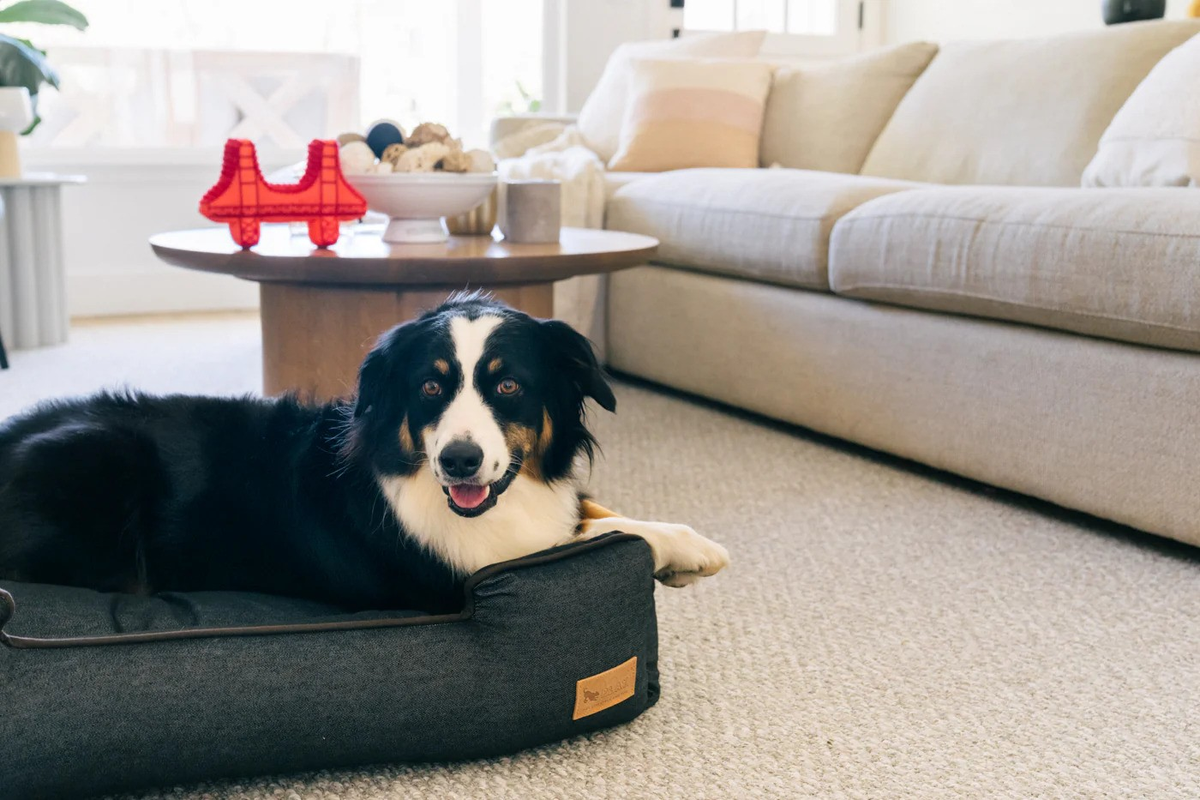
Let Pet Beds Work With the Room
A pet bed does not need to match the sofa exactly, but it can relate to the room through color, texture or shape.
Neutral fabrics are often easy to integrate, while a richer accent color can make the bed feel intentional rather than purely functional.
Choose the Bed for Your Pet First
Appearance still comes second to comfort. Pay attention to how your pet sleeps. Some animals like to curl against raised edges, while others stretch out and prefer a flatter surface.
Older pets may also benefit from supportive cushioning and lower entry points.
Create Better Toy Storage
Toys are one of the fastest ways a room can begin to feel cluttered. Instead of leaving everything scattered across the floor, use storage that fits naturally into the space.
A basket, covered bin or small storage cube can keep toys contained while keeping them easily accessible.

Rotate Toys Instead of Displaying Everything
You do not need every toy available at the same time. Keeping a smaller selection out and rotating the rest can reduce clutter and make familiar toys feel interesting again when they return.
Make Feeding Areas Feel Intentional
Food and water bowls are necessary, but they do not have to make a space feel messy.
Choose a dedicated feeding area and consider a tray or washable mat underneath. This visually defines the space while making spills easier to manage.
Place Bowls Somewhere Practical
A feeding station should be convenient without becoming an obstacle in the middle of a walkway.
A kitchen edge, utility area or quiet corner can often work better than placing bowls in the center of a busy room.
Keep Entryways Ready for Real Life
If you have a dog, the entryway is one of the most useful places to plan for pet life.
This is where leashes, towels, outdoor gear and muddy paws naturally collect. Hooks, baskets, washable mats and easy-to-clean surfaces can make daily walks much easier to manage.
Create a Small Pet Station
You do not need a custom mudroom. A few hooks for leashes, a basket for towels and a place for waste bags can be enough to keep the entry organized.
Use Layers Instead of Covering Everything
Making a home pet-friendly does not mean wrapping every sofa and chair in obvious protective covers.
Throws and washable blankets can protect frequently used areas while still looking like a deliberate part of the room.
Choose Throws You Actually Like
If a protective textile is going to remain visible most of the time, treat it like any other part of the decor. Choose a color and texture that works with the room instead of something you want to hide whenever guests arrive.
Think About Furniture Color
If your pet sheds heavily, the contrast between fur and upholstery can affect how quickly furniture appears messy.
You do not need to match furniture exactly to your pet, but mid-tone and textured fabrics can sometimes be more forgiving than very dark or very light solid upholstery.
Choose Decor With Placement in Mind
Pet-friendly design is not only about materials. It is also about placement.
Take note of fragile objects sitting at tail height, low-hanging cords, unstable floor decor and anything that could easily be knocked over by an excited pet.
Use Higher Surfaces for Fragile Pieces
Moving delicate decor to shelves, cabinets or higher tables can make a room safer without requiring you to remove the things you enjoy.
Keep Electrical Cords Organized
Loose cords can create unnecessary clutter and may also attract curious pets.
Route cords behind furniture or use appropriate cable-management solutions where practical.
Think Carefully About Plants
Houseplants can make a room feel beautiful and alive, but not every plant is appropriate around pets.
Before bringing a new plant into your home, check whether it is considered safe for the animals living there.
Placement Still Matters With Pet-Safe Plants
Even a non-toxic plant can become a mess when leaves, soil or pots are easily reached by an enthusiastic pet.
Choose Flooring for Daily Life
Flooring has a major effect on how easy your home is to maintain. Some surfaces show every paw print and scratch, while others are considerably more forgiving.
If you are renovating, consider durability, cleaning requirements and traction in addition to appearance.
Add Rugs Where Pets Need More Grip
Older pets and animals with mobility challenges can struggle on slippery floors.
Stable rugs or runners placed along common routes can provide additional traction while also making the home feel warmer.
Use Rug Pads
A rug that slides when your pet runs across it can create more problems than it solves.
Use an appropriate nonslip pad underneath where needed.
Protect High-Traffic Areas
Pay attention to the routes your pet uses most frequently: from the bed to the door, from the kitchen to the water bowl or from the sofa to a favorite window.
These areas often need the most durable materials.
Create Window Space for Cats
Many cats naturally gravitate toward windows.
If there is a safe location with a good view, consider leaving enough space for your cat to sit comfortably instead of filling every windowsill with decor.
Protect Window Treatments
Long curtains can be tempting climbing or play surfaces for some cats.
Where this is an issue, shades or shorter window treatments may be easier to live with.
Make Space for Rest
Pets need quiet places to decompress just like people do.
A dedicated resting area can help them settle and can make the overall home feel calmer.
Give Pets an Option Away From Activity
If your main living room is busy, consider creating another comfortable spot in a quieter part of the home.
Keep Crates From Feeling Temporary
If a crate is part of your pet’s routine, choose its location deliberately rather than placing it wherever there happens to be room.
A well-positioned crate can feel much less intrusive when it relates to the furniture arrangement around it.
Keep Cleaning Easy and Consistent
A pet-friendly home feels better when maintenance is simple.
The easier it is to vacuum fur, wipe paws and wash textiles, the easier it becomes to keep the home looking polished without spending all day cleaning.
Store Cleaning Tools Near the Problem
A small handheld vacuum near the sofa or cleaning cloths near the entry can be far more useful than keeping every cleaning tool in one distant closet.
Wash Pet Bedding Regularly
Pet bedding collects fur, oils and outdoor debris over time.
Choose bedding with realistic care requirements so washing it does not become an ordeal.
Look for Removable Covers
Removable covers can make larger beds considerably easier to clean than trying to wash an entire bulky cushion.
Grooming Helps the Home Too
Regular brushing can reduce some of the loose fur that otherwise ends up on floors and furniture.
Create a convenient place to store grooming tools so the routine is easy to maintain.
Consider Where Grooming Happens
A washable bathroom, patio or utility space may be easier to clean after grooming than a carpeted bedroom.
Do Not Sacrifice Your Own Comfort
A pet-friendly home should still work for the people who live there.
You do not need to give every chair to the dog or redesign every room around the cat.
Creating clear pet spaces can actually help preserve the rest of the home.
Set Boundaries That Work for Your Household
Some homes welcome pets onto every sofa and bed, while others keep certain furniture pet-free.
There is no single correct approach. What matters is creating a routine that is comfortable and realistic for your household.
Choose Materials You Will Not Worry About Constantly
A beautiful room is difficult to enjoy if you are anxious every time your pet walks into it.
Durable materials often make a home feel more luxurious in practice because you can actually relax and use the space.
Avoid Overly Delicate Finishes in Pet Zones
Save especially delicate fabrics and surfaces for areas that receive less pet traffic if maintaining them would otherwise become stressful.
Think About Sound
Hard surfaces can amplify the sound of claws, tags and movement.
Rugs, curtains and upholstered furniture can soften acoustics while making the home feel more comfortable.
Create a Calm Nighttime Routine
Decide where your pet sleeps and make that area comfortable before bedtime rather than rearranging things every night.
Predictability can make daily routines easier for everyone.
Plan for Guests
A pet-friendly home should also make entertaining easier.
Have a place where toys can be gathered quickly and a comfortable area where your pet can settle if visitors become overwhelming.
Use Closed Storage for Pet Supplies
Food bags, medications, grooming supplies and extra accessories do not all need to remain visible.
Closed cabinets or attractive storage boxes can keep necessary items organized without adding visual clutter.
Group Supplies by Routine
Keep walking supplies together, grooming supplies together and feeding supplies together.
This makes daily tasks faster and keeps small items from spreading throughout the house.
Make the Most of Small Spaces
A smaller home can still work beautifully with pets.
Look for dual-purpose pieces, compact beds and storage that uses vertical space instead of taking over the floor.
Use Furniture With Hidden Storage
Storage benches and cabinets can hold pet blankets, toys and accessories while serving another purpose in the room.
Keep Walkways Open
Pet beds, bowls and baskets should not force people to step around them constantly.
Giving these items dedicated locations helps the room feel more spacious and organized.
Choose a Consistent Palette
Pet accessories feel less visually distracting when their colors relate loosely to the rest of the room.
You do not need everything to match, but a consistent palette can make everyday pet items feel more integrated.
Texture Can Be Better Than Pattern
When you want interest without visual clutter, textured neutrals can work beautifully for pet beds, baskets and washable blankets.
Keep Everyday Items Attractive
The things you use constantly are worth choosing carefully because they remain visible.
A leash hook, toy basket or feeding mat can be functional and still suit the overall style of the home.
Do Not Design for a Perfect Photograph
A pet-friendly home is meant to be lived in.
There will be toys on the floor sometimes, fur on a chair and a water bowl that is not perfectly aligned with anything else.
Good design gives those realities a place rather than pretending they do not exist.
Let the Home Reflect Who Lives There
Pets are part of the household, and their presence does not make a home less sophisticated.
A few visible signs of real life can make an interior feel warmer and more personal.
Choose Durability Where It Matters Most
You do not need every object in the house to be indestructible.
Focus on the areas that receive the most pet contact: upholstery, rugs, floors, pet bedding and entry surfaces.
Spend More on Things You Use Every Day
A durable washable sofa fabric or easy-care rug may provide more long-term value than a highly delicate option that constantly needs protection.
Keep Seasonal Changes Simple
If you like changing your decor throughout the year, use washable throws, pillow covers and smaller accessories rather than replacing functional pet items every season.
Prepare for Muddy Weather
Keep a towel or paw-cleaning supplies near the door during wetter seasons.
A washable entry mat can help catch dirt before it spreads through the home.
Consider Warm Weather Too
In warmer climates, give pets access to cool resting areas and avoid positioning beds where direct sun makes them uncomfortable for long periods.
Keep Water Easy to Access
Fresh water should be available in an accessible location even if the bowl is not in the most decorative part of the room.
Function should always come first when pet wellbeing is involved.
Create a Home That Is Easy to Reset
One of the best ways to maintain a stylish pet-friendly home is to make it easy to put things back in order.
If every toy, leash, towel and grooming tool has a place, a quick reset takes minutes instead of becoming a major cleanup.
A Pet-Friendly Home Can Still Feel Elevated
You do not need a perfect house to create a beautiful one. Pets bring energy, warmth and personality, and a thoughtful home can absolutely reflect that while still feeling refined.
Choose durable materials, give everyday pet items a place and design around the routines that actually happen in your home.
The Goal Is a Home Everyone Can Enjoy
The best pet-friendly interiors do not look like they were designed entirely for pets or entirely in spite of them.
They simply feel comfortable, practical and considered.
When your home works for both you and your pets, maintaining a beautiful space becomes much easier.