
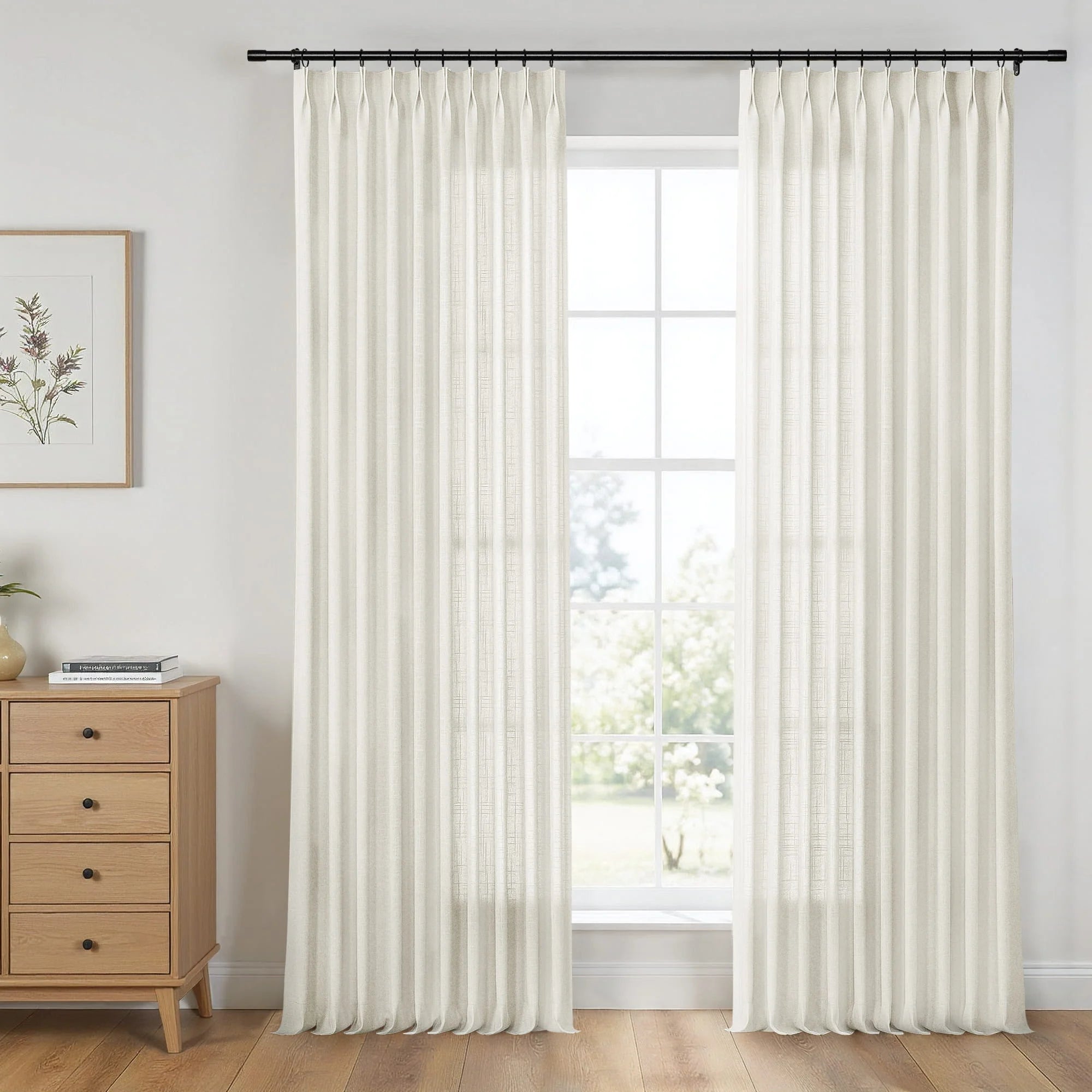
Window treatments can completely change how a room feels. Curtains and shades control light and privacy, but they also affect proportion, softness, color and the apparent height of the room.
Custom window treatments offer far more flexibility than standard ready-made panels, but that flexibility also means there are more decisions to make. Fabric, lining, fullness, mounting style and measurements all influence the final result.
Here is how to choose curtains and shades that look intentional rather than simply covering the window.
Start With What the Room Actually Needs
Before choosing a fabric or color, decide what the window treatment needs to accomplish.
Ask whether the room primarily needs:
- Privacy
- Blackout capability
- Softened daylight
- Heat and glare control
- A decorative focal point
- Acoustic softness
- A combination of several functions
A bedroom and a bright living room may look similar in photographs but require very different window treatments in daily life.
Curtains or Shades?
Full-length curtains create softness and movement and can visually make ceilings appear taller.
Shades occupy less space and provide a cleaner, more architectural appearance.
Neither is universally better. The choice depends on the room, window shape, furniture placement and amount of light control required.
Roman Shades Create a Tailored Look
Roman shades are a useful middle ground between fabric curtains and more minimal roller shades.
When raised, the fabric folds into structured horizontal sections. When lowered, it creates a cleaner surface across the window.
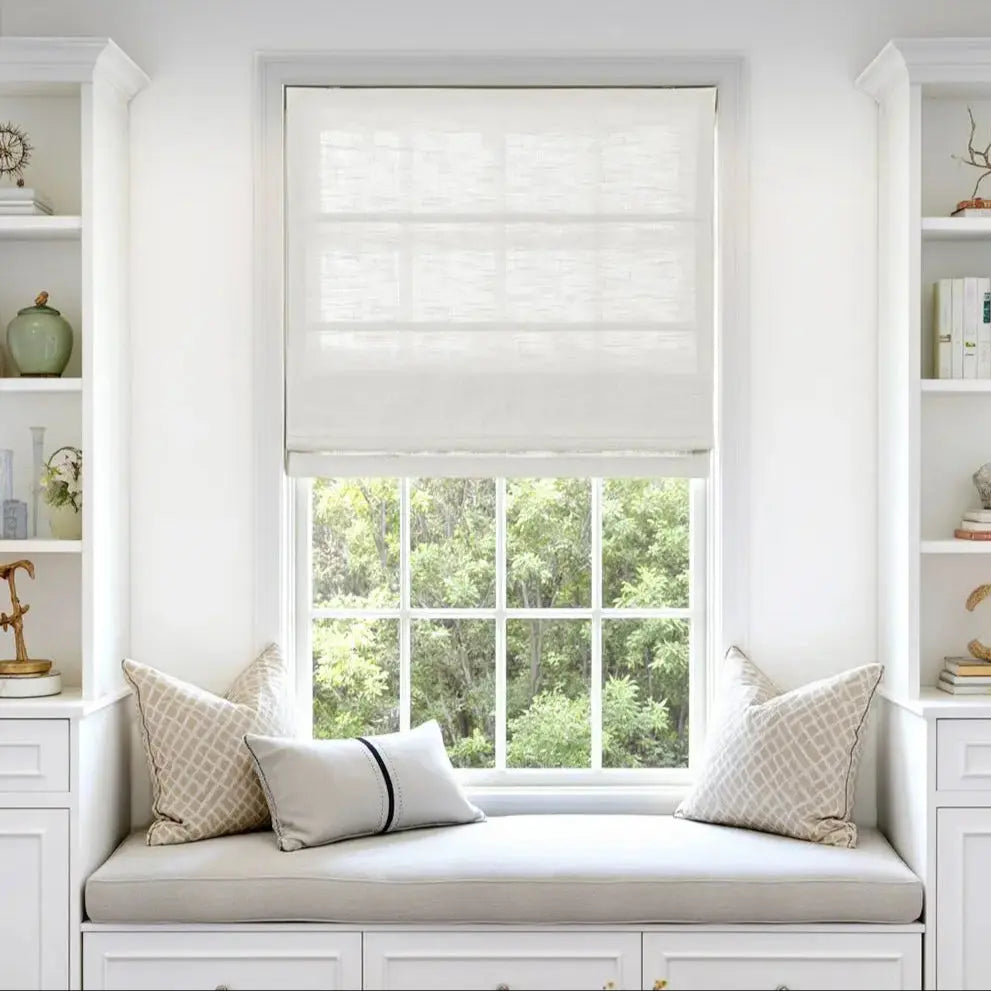
Use Roman Shades Where Floor-Length Curtains Are Impractical
Roman shades can work particularly well where furniture, cabinetry or a countertop sits directly beneath a window.
They are also useful for smaller bedrooms, kitchens and rooms where long curtains would take up valuable wall space.
Consider Cordless Designs
Cordless shades create a cleaner appearance and eliminate a loose operating cord beside the window.
This can also be a useful consideration in homes with young children.
Woven Shades Add Natural Texture
Bamboo and other woven-natural shades bring visible texture into a room without requiring a strong color or pattern.
They work especially well in organic-modern, coastal, transitional and relaxed contemporary interiors.
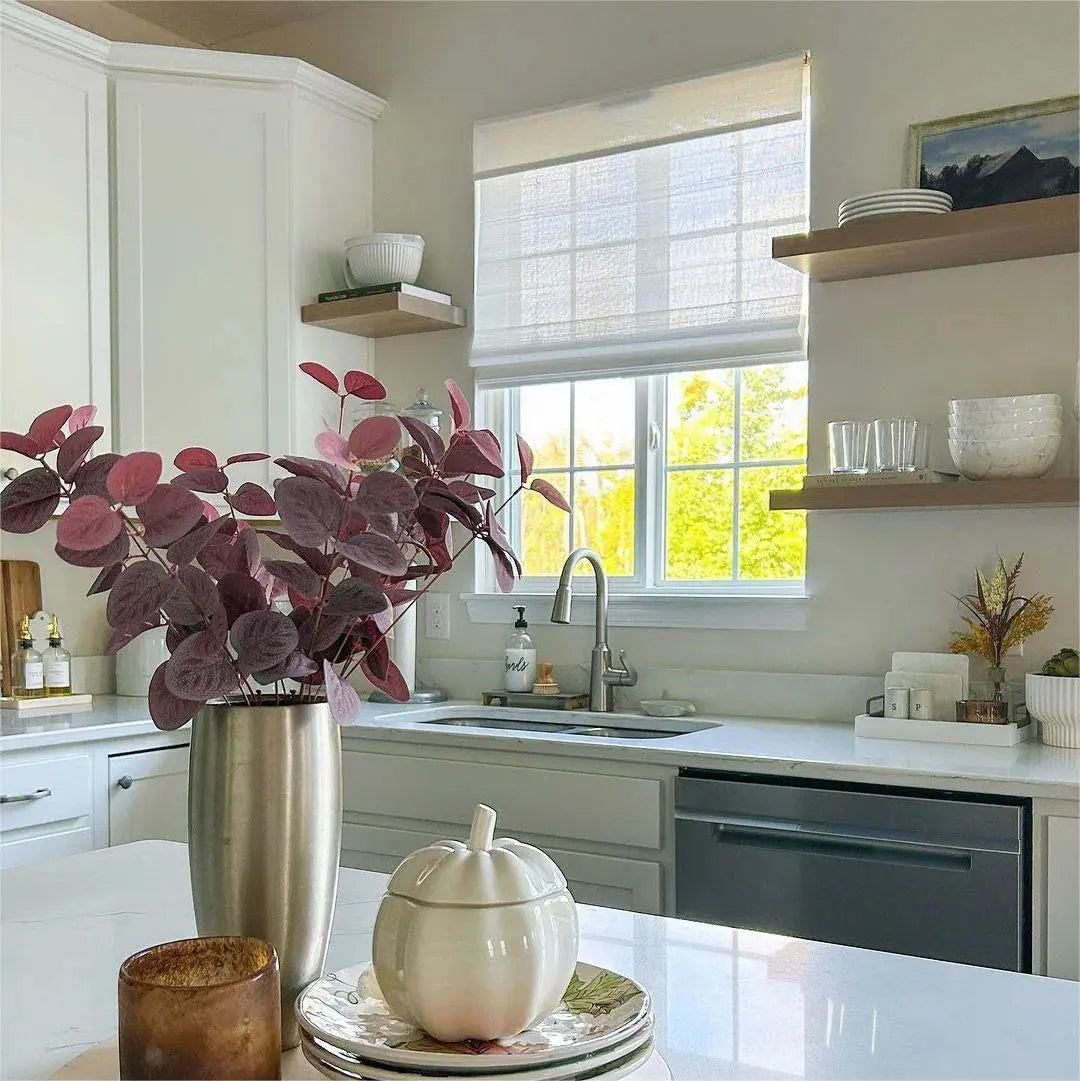
Natural Materials Will Vary
Bamboo, jute, flax and other natural fibers are not perfectly uniform.
Small variations in color, thickness and weave are part of their character.
If exact uniformity between several windows is important, a manufactured fabric or synthetic shade may be a better choice.
Add a Lining When More Privacy Is Needed
Natural woven shades can allow more light and visibility through the material than people expect.
A privacy or blackout lining can preserve the woven appearance while substantially changing how the shade performs.
Sheer Curtains Are About Light, Not Darkness
Sheer curtains soften direct daylight and can give a room a lighter, more finished appearance.
They provide less nighttime privacy than opaque curtains, especially when interior lights are on.
Where privacy is important, sheers often work best as one layer within a larger window-treatment plan.
Layer Curtains and Shades
One of the most versatile approaches is to combine a shade with full-length curtains.
The shade provides practical light and privacy control, while the curtains add softness and scale.
This layered approach can work particularly well in bedrooms and formal living spaces.
Blackout Is Not the Same as Room Darkening
These terms are often used interchangeably, but they can produce noticeably different results.
Room-darkening fabrics substantially reduce incoming light but may still allow a visible glow.
Blackout linings are designed to block a much greater percentage of light.
Bedrooms Usually Need More Light Control
A bedroom facing sunrise, a streetlight or a brightly lit neighboring property may benefit from blackout lining even if the decorative fabric itself is relatively light.
Layering can also help control light around the edges of a shade.
Living Rooms Can Be Softer
Living rooms often have more flexibility because complete darkness is rarely necessary.
Linen, sheer fabrics and woven shades can filter harsh daylight while maintaining a brighter atmosphere.
Think About the Direction of the Windows
The amount and character of sunlight changes according to orientation.
East-facing windows receive stronger morning light, while west-facing rooms can become very bright and warm in the afternoon.
South- and north-facing windows also behave differently depending on location and season.
Choose Fabric Based on How It Hangs
Fabric composition affects much more than appearance.
A lightweight linen can feel relaxed and fluid, while a heavier lined fabric creates more structure and deeper folds.
Before choosing, decide whether you want the curtains to feel casual, tailored or formal.
Linen Brings Texture Without Heavy Pattern
Linen works particularly well in rooms where you want visual interest but do not want to introduce a busy print.
The natural variation in the weave creates subtle texture even in plain white, ivory or beige.
Expect Linen to Move
Natural linen is not perfectly rigid.
It may crease, relax and change slightly with humidity and use.
That character is part of the appeal for many people, but it is worth understanding before ordering custom panels.
Blended Fabrics Can Be Easier to Maintain
Cotton-linen and linen-polyester blends can preserve some of the natural appearance of linen while adding dimensional stability or easier care.
Check the exact fabric composition rather than assuming every linen-look curtain is made from the same material.
Order Swatches Before Custom Curtains
This is one of the most important steps.
Colors on a screen are affected by photography, monitor settings and surrounding colors.
A fabric that appears warm beige online may look grey, yellow or considerably darker in your actual room.
Look at Swatches During the Day and Evening
Pin or hold the sample beside the window and look at it several times throughout the day.
Natural daylight, lamps and ceiling lighting can all change how the fabric reads.
Compare the Fabric With Permanent Finishes
Place the swatch beside flooring, stone, cabinetry and large upholstered furniture.
These are more expensive and difficult to replace than smaller accessories, so the curtain fabric should work with them first.
Measure Before You Choose the Final Style
The dimensions of the window can affect which treatment looks best.
A narrow window may work beautifully with a Roman shade, while a very wide sliding door may be more practical with full-length curtain panels or a track system.
Mount Curtains Higher Than the Window
Hanging the rod or track above the window frame can visually increase the height of the room.
In many interiors, mounting close to the ceiling creates a more deliberate and architectural appearance than placing the rod immediately above the trim.
Extend Curtains Beyond the Window Width
Allowing the rod or track to extend beyond the glass gives the fabric room to stack when open.
This can expose more of the window during the day and make the opening appear larger.
Fullness Makes a Major Difference
The width of a curtain panel should usually exceed the width of the area it is covering.
This extra fabric creates folds and fullness when the curtains are closed.
Too little fullness can make even an expensive fabric look flat and undersized.
Do Not Judge Curtain Width by the Window Alone
If the curtains are mounted beyond the window frame, measure the entire rod or track rather than only the glass.
The finished curtain needs enough width to cover that full span while retaining the desired fullness.
Decide Where the Curtains Should End
There are several common approaches:
- Just above the floor
- Lightly touching the floor
- A slight break on the floor
- A deliberate puddle of extra fabric
For most contemporary interiors, a clean floor-length finish is easier to maintain than heavy pooling.
Account for Uneven Floors
In older homes, floor height can vary from one side of a window to the other.
Measure in several locations before ordering long custom curtains.
Choose the Header Style Carefully
The top construction of a curtain significantly affects its appearance.
Pleated headers tend to feel more tailored, while some ripple-fold systems create smooth, evenly spaced waves.
The header must also be compatible with the intended rod or track.
Pleated Curtains Feel More Structured
Pinch pleats and similar tailored headers create consistent folds even when the curtain is open.
They can work particularly well in formal living rooms, dining rooms and bedrooms.
Ripple Fold Creates a Cleaner Modern Line
Ripple-fold curtains create repeating soft waves across the width of the fabric.
The style works well with ceiling-mounted tracks and contemporary architecture.
Tracks Can Make a Room Look Taller
A ceiling-mounted curtain track allows fabric to begin close to the ceiling and fall uninterrupted toward the floor.
This can emphasize vertical height and is particularly effective across wide window walls.
Rods Add a Decorative Element
Traditional rods remain useful when the hardware itself is intended to be visible.
Black metal, brass and other finishes can coordinate with nearby furniture, lighting and cabinet hardware.
Do Not Undersize the Hardware
Heavy lined curtains require stronger rods and properly spaced brackets.
Hardware that bows under the fabric will make an otherwise beautiful installation look unfinished.
Think About Furniture Placement
A curtain cannot fall properly if a sofa, bed or cabinet pushes directly against it.
Before deciding on full-length panels, check whether the room allows enough clearance for the fabric to hang naturally.
Roman Shades Are Useful Behind Furniture
If a bed or sofa must sit close to the wall beneath a window, a Roman shade can be much more practical than curtains.
It keeps the treatment contained within the window area.
Use Curtains to Soften Large Rooms
Large rooms with stone floors, hard walls and minimal upholstery can sometimes sound and feel overly hard.
Generous fabric at the windows can add visual and acoustic softness.
Keep Neutral Curtains Interesting With Texture
White or beige curtains do not have to look plain.
Linen weave, subtle slubs, embroidery or a structured pleat can provide enough detail without introducing a strong pattern.
Do Not Automatically Match Curtains to the Wall
Curtains can blend closely with the wall color or deliberately contrast with it.
Matching creates a quieter, continuous look. Contrast makes the windows more prominent.
Either can work when chosen intentionally.
Consider the View From Outside
In some homes, multiple windows are visible together from the exterior.
Using dramatically different backing colors or linings from room to room can create an inconsistent appearance from outside.
Motorization Can Be Worth It for Difficult Windows
Motorized shades are particularly useful for tall windows, windows behind furniture and rooms with many individual treatments.
They can also simplify daily routines when several shades are opened and closed at the same time.
Think About Power Before Ordering Motorized Shades
Depending on the system, motorized shades may use rechargeable batteries, replaceable batteries or permanent power.
Plan charging access and wiring before finalizing the installation.
Top-Down Bottom-Up Shades Improve Privacy Flexibility
These shades can open from the top while remaining covered at the bottom.
They are particularly useful for street-facing bathrooms, bedrooms and first-floor rooms where daylight is welcome but direct visibility is not.
Custom Treatments Require More Careful Ordering
Unlike standard curtains that can often be returned easily, custom products are manufactured specifically for your dimensions and chosen options.
That makes careful measurement especially important.
Double-Check Every Measurement
Measure more than once before placing a custom order.
For shades, follow the manufacturer’s exact instructions for inside and outside mounting because even a small error can affect fit.
Inside Mount Versus Outside Mount
An inside-mounted shade sits within the window opening and creates a cleaner built-in appearance.
An outside-mounted shade overlaps the window frame and can provide greater coverage.
The window depth and trim configuration may determine which option is possible.
Consider Layering for a Finished Bedroom
A Roman or woven shade inside the window paired with full-length curtains outside can provide a particularly finished look.
The two treatments do not need to match exactly. Related neutral tones often create more depth.
Keep Children’s Rooms Practical
In children’s rooms, consider cordless operation, washable or easy-care materials and treatments that do not trail excessively on the floor.
Function should come before elaborate styling.
For Kitchens, Keep Fabric Away From Heat and Water
Window treatments close to a stove or sink need more careful material selection and placement.
A compact shade can often be more practical than long curtains in these locations.
Bathrooms Need Moisture Consideration
High humidity can affect natural fibers and some fabrics.
Choose materials and mounting locations appropriate for the bathroom’s ventilation and proximity to showers or tubs.
Do Not Forget Cleaning Requirements
Some fabrics can be washed at home, while others require spot cleaning or professional care.
Large custom panels can be cumbersome to remove, clean and reinstall, so maintenance should be considered before buying.
Choose Quality Where It Is Most Visible
If the budget is limited, prioritize the rooms where window treatments have the greatest visual impact.
A beautifully proportioned set of curtains in the living room may contribute more to the overall home than upgrading every small secondary window at once.
Take Your Time With Custom Orders
Custom window treatments are one of those purchases where a little preparation pays off.
Order samples, measure carefully, understand the lining and mounting options and think about how the treatment will interact with the rest of the room.
Explore Custom Curtains and Shades
We feature TWOPAGES custom curtains, Roman shades and woven window treatments on Blue Sky Luxury Living, including options that illustrate how differently fabric and natural materials can change the look of a window.
The Best Window Treatment Feels Like Part of the Room
A successful curtain or shade should not feel like an accessory added at the end.
Its proportions, color, texture and function should relate to the architecture and furnishings around it.
When those details are right, the window treatment quietly helps the entire room feel more finished.