

Creating a more natural bedroom does not require replacing everything at once. The bed is often the most practical place to begin because sheets, blankets, pillows and mattress layers are used for hours every night and can be changed gradually as existing pieces need replacing.
Natural materials such as wool and organic cotton work especially well together because they perform different jobs. Cotton creates a familiar, breathable surface close to the skin, while wool can provide cushioning, warmth and moisture management in comforters, mattress pads and pillows.
Sleep & Beyond builds much of its bedding collection around this combination, using organic Merino wool, washable Shropshire wool and organic or natural cotton across sheets, comforters, mattress pads, toppers and pillows.
Begin With the Layers Closest to Your Skin
If you are changing a bed gradually, sheets are an easy starting point. They are used directly against the skin, washed frequently and can noticeably change the feel of the bed without requiring a major investment in a new mattress.
Organic cotton is available in several weaves, and the weave can matter just as much as the fiber itself. Sateen tends to feel smoother and silkier, while percale generally has a crisper and lighter feel.
Neither is universally better. The right choice depends on whether you prefer bedding that feels soft and smooth or cool and crisp.
Look Beyond Thread Count
Thread count is often treated as the main measure of sheet quality, but it tells only part of the story. Fiber quality, yarn construction, weave and finishing all influence how bedding feels and wears over time.
A well-made organic cotton sheet does not need an unusually high thread count to feel comfortable. Sleep & Beyond, for example, uses long-staple organic cotton in its sateen sheets and also offers organic cotton percale.
When comparing sheets, pay attention to material certification, weave, pocket depth, dimensions and washing instructions in addition to thread count.
Add a Protective Mattress Layer
A mattress protector or pad creates a useful layer between the fitted sheet and the mattress. Depending on the design, it may primarily protect the mattress or it may also change the feel of the sleep surface.
This is an important distinction. A thin protector is different from a padded wool layer or a substantial mattress topper.
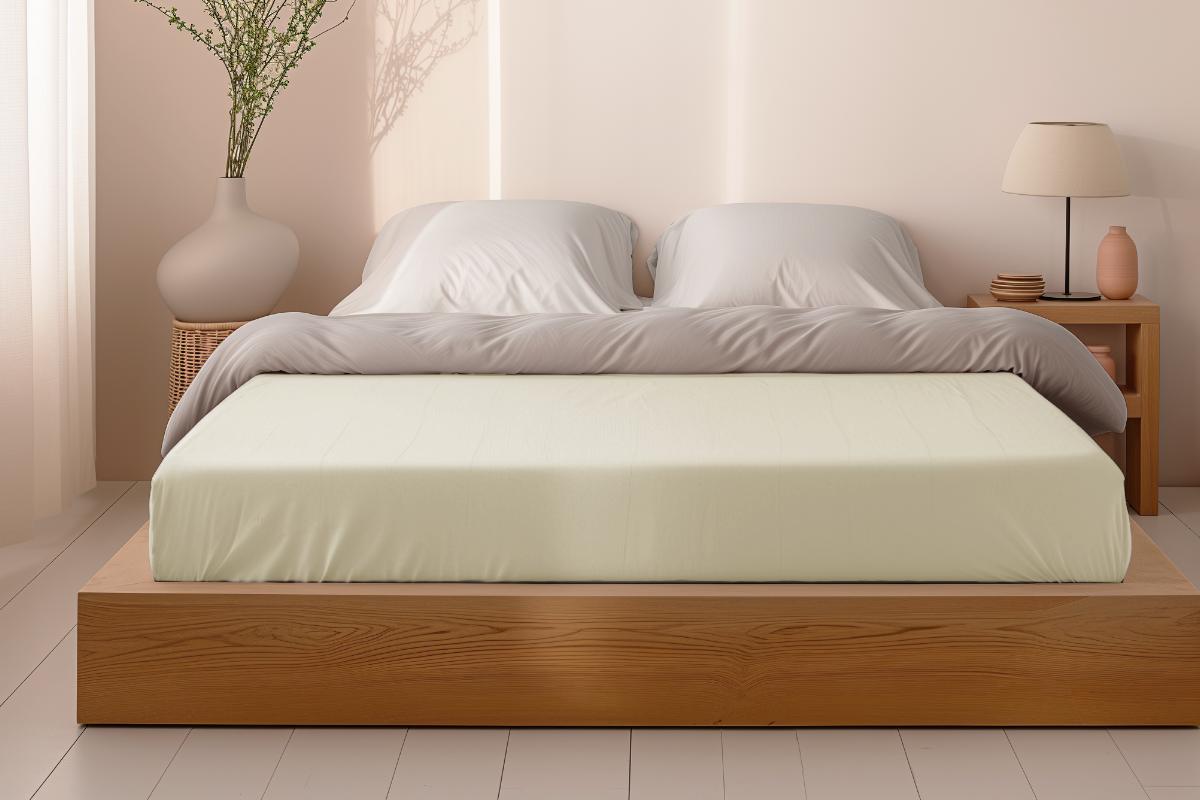
Understand the Difference Between a Pad and a Topper
Mattress pads are generally thinner and make a modest adjustment to the sleep surface. Toppers are usually thicker and can have a more noticeable effect on cushioning and comfort.
Sleep & Beyond offers several wool-filled options, including washable mattress pads and thicker toppers. Some designs combine natural wool with latex for additional structure.
Before adding either one, consider the condition of the mattress underneath. A topper can adjust surface comfort, but it cannot restore structural support to a mattress that is badly sagging or worn.
Why Wool Works Well as a Bedding Fill
Wool has characteristics that make it particularly useful inside comforters, pillows and mattress layers. The fiber can hold air within its structure and manage moisture, which allows wool bedding to feel quite different from dense synthetic fills.
Sleep & Beyond uses organic Merino wool in its premium myMerino collection and washable Shropshire wool in its myBedding collection.
The goal is not necessarily to make the bed warmer. The appropriate wool weight can be selected according to climate, bedroom temperature and personal preference.
Choose Your Comforter by Weight, Not Season Labels Alone
Terms such as summer, winter and all-season are helpful starting points, but two people sleeping in the same climate can have very different preferences.
Consider:
- Your normal bedroom temperature
- Whether you tend to sleep warm or cool
- The warmth of your sleepwear
- Whether you share the bed
- The sheets and blankets already being used
- Whether you prefer one substantial layer or several lighter ones
Sleep & Beyond offers both lighter and fuller wool comforter constructions, which makes it possible to choose according to the bedroom rather than assuming one weight works year-round for everyone.
Use Removable Layers for Greater Flexibility
A bed is easier to adapt when it consists of several useful layers rather than one extremely heavy covering.
A simple setup might include organic cotton sheets, a breathable blanket and a wool comforter. The blanket can be removed during warmer weather and added back when temperatures drop.

Do Not Forget the Pillow
Pillows play a different role from sheets and comforters because they affect both comfort and sleeping position. A natural fill is useful only if the height and firmness work for the individual sleeper.
Side sleepers often require more loft than stomach sleepers, while back sleepers frequently fall somewhere in between. Shoulder width and mattress firmness can also change how high a pillow needs to be.
Sleep & Beyond offers wool-filled pillows in several constructions, including adjustable designs that allow the amount or distribution of fill to be modified.
Organic and Natural Are Not Identical Terms
One of the most useful things to understand when shopping for bedding is that “organic” and “natural” are not interchangeable.
A natural material comes from a natural source, while certified organic materials must meet the requirements of a specific certification standard.
Sleep & Beyond uses both categories. Its premium myMerino line incorporates organic Merino wool, while its washable myBedding products use natural Shropshire wool.
This distinction does not automatically make one collection better than the other. It simply gives shoppers more accurate information about what they are buying.
Look for Meaningful Certifications
Broad terms such as eco-friendly, pure and green can mean different things depending on the manufacturer. Independent textile certifications provide more specific standards that can be reviewed and compared.
Sleep & Beyond documents certifications including GOTS, OEKO-TEX and WOOLMARK across relevant portions of its materials and manufacturing. Certification applies according to the individual product and fiber, so check the current specifications rather than assuming every item carries identical credentials.
Natural Bedding Still Requires Proper Care
Natural materials are not maintenance-free. Cotton and wool simply require different types of care.
Organic cotton sheets can typically be washed regularly according to their care instructions. Wool-filled products may require airing, gentle washing or specific drying procedures depending on their construction.
Sleep & Beyond specifically recommends regular airing for several of its wool products and provides separate instructions for washable wool bedding.
Give Wool Room to Air
One advantage of bedding is that it does not necessarily need to be washed after every use. Comforters and mattress pads are protected by sheets and covers, and wool products can often benefit from regular airing between deeper cleanings.
Always follow the manufacturer’s directions, particularly with thick wool bedding where improper washing or drying can affect the fill.
Build the Bed Gradually
There is no need to replace sheets, pillows, comforters and mattress layers simultaneously. A more practical approach is to identify which part of the current bed bothers you most.
If the sheets feel uncomfortable, begin there. If the mattress surface needs a little more cushioning, consider a pad or topper. If an existing comforter feels excessively heavy or uncomfortable across seasons, that may be the next layer to reconsider.
Changing one piece at a time also makes it easier to notice which materials and textures you genuinely prefer.
Keep Bedroom Style in the Equation
Natural bedding does not have to make a bedroom look rustic. Organic cotton, wool and muslin can work equally well in traditional, modern and minimal interiors.
Neutral bedding can create a calm foundation and allows texture to become part of the design. A quilted mattress layer, soft cotton sheet, wool-filled comforter and relaxed muslin blanket can create visual depth without relying on busy patterns.
Prioritize What You Actually Use
A beautifully styled bed is less successful if making it every morning requires removing a mountain of decorative pillows and unnecessary layers.
Start with functional pieces:
- Comfortable fitted and flat sheets
- Pillows suited to your sleeping position
- A protective mattress layer if needed
- A comforter appropriate for your room temperature
- One lighter removable blanket
Decorative pieces can be added afterward if they genuinely contribute to the room.
A Natural Bedroom Is More Than a Label
Building a more natural bed is less about achieving a perfect checklist and more about understanding the materials around you.
Look at fiber content, certifications, construction and care. Consider how each layer interacts with the others. Most importantly, choose bedding that feels comfortable enough to use every night rather than products selected primarily because of marketing language.
Explore Sleep & Beyond
Sleep & Beyond offers organic and natural wool comforters, organic cotton sheets, pillows, mattress pads, toppers and other bedding designed around natural fibers and independently certified materials.
Visit the Sleep & Beyond product page at Blue Sky Luxury Living to learn more and explore the collection.