
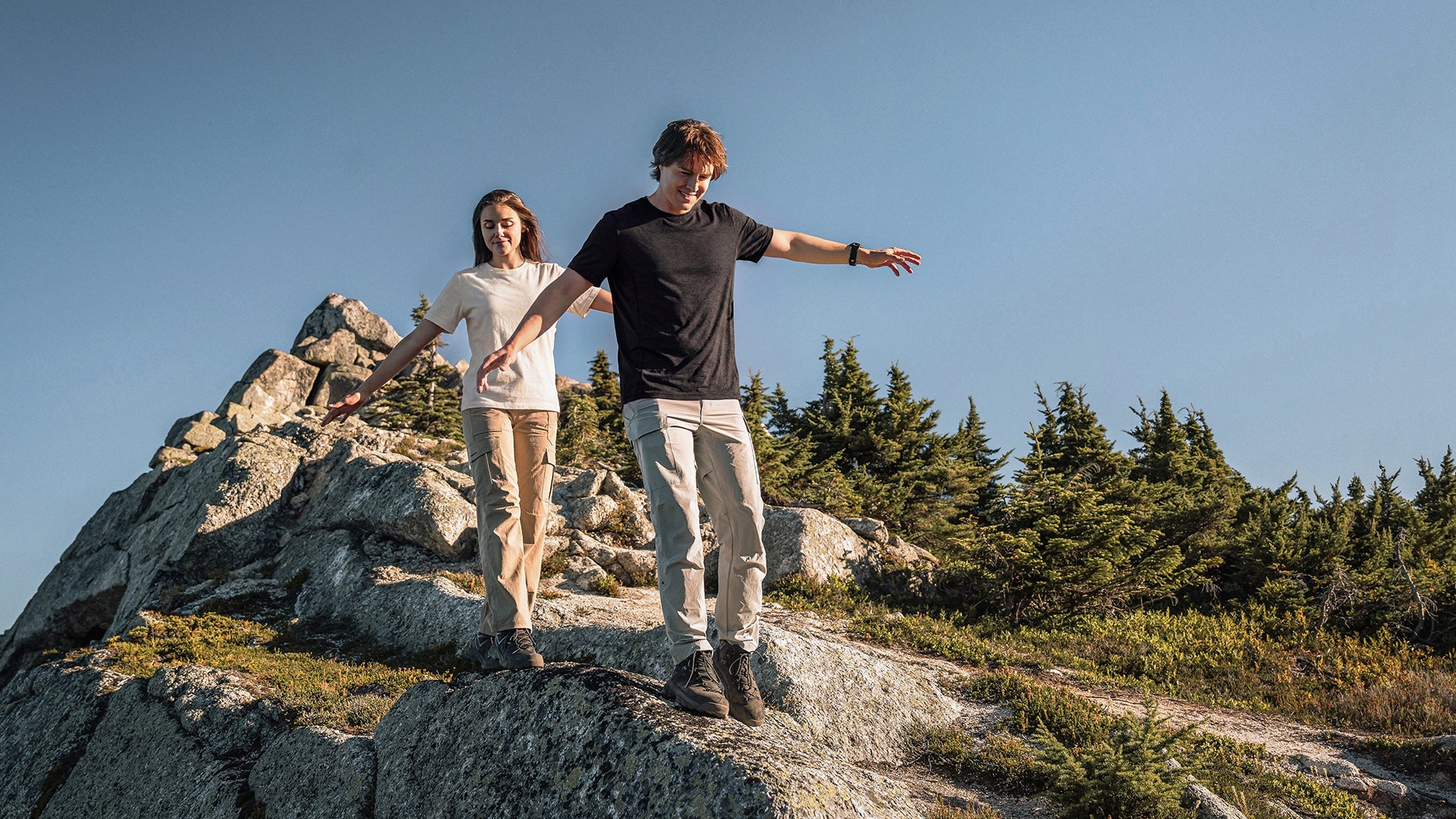
The right outdoor clothing should help you enjoy the trail without requiring a completely different wardrobe for every outing. A warm afternoon can turn cool near the summit, an exposed path may feel windier than expected, and even a short hike can include rocks, brush, water and rapidly changing conditions.
That is why versatility matters. Instead of choosing outdoor clothing based only on appearance, it helps to think about where you will wear it, how much you expect to move and what kind of weather you are likely to encounter. Moosehill offers hiking pants, shorts and other outdoor apparel designed around active comfort, making the brand a useful example when considering the features that matter most.
Begin With the Conditions You Actually Encounter
Before comparing fabrics or technical details, think about your usual environment. Someone walking dry coastal trails has different needs from a hiker heading into colder, wetter or more exposed terrain.
Consider the temperature at the beginning and end of the day, the likelihood of wind or rain, the amount of sun exposure and whether the route includes rocks, brush or stream crossings. Clothing chosen for realistic conditions is more likely to feel comfortable and useful than gear selected for an adventure you rarely take.
Prioritize Freedom of Movement
Outdoor clothing needs to move comfortably when you climb, step over obstacles, sit for a break or carry a backpack. A garment may look ideal while standing still but feel restrictive once the trail becomes steep or uneven.
Look for a comfortable fit through the waist, hips and knees. Stretch fabric, articulated shaping and an adjustable waistband can make it easier to move naturally. The goal is not for clothing to feel excessively loose, but to provide enough flexibility for the activity without pulling or bunching.
Match Breathability to Your Activity Level
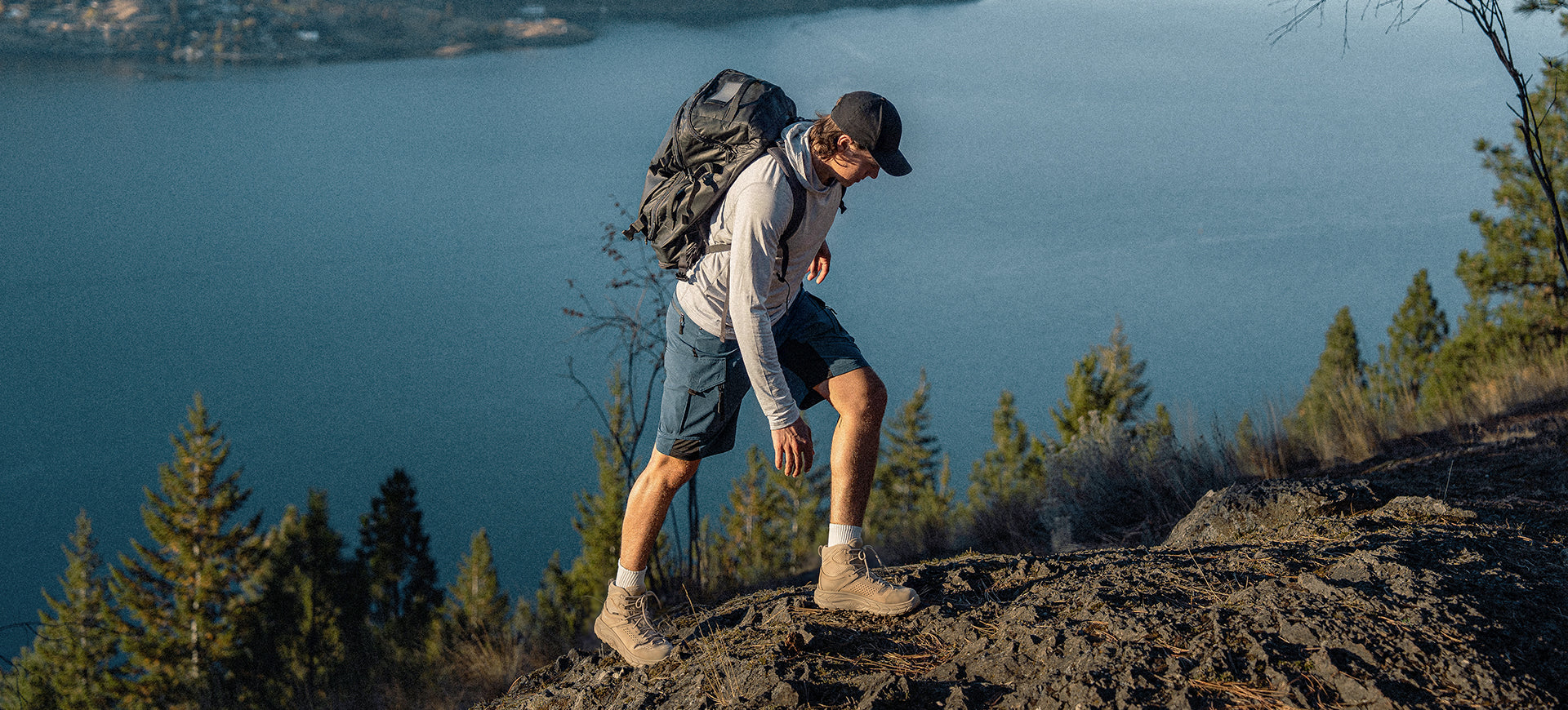
Breathability becomes especially important during warm-weather hikes, long climbs and other activities that generate body heat. Lightweight fabrics and ventilation-friendly designs can help clothing feel more comfortable when the pace increases.
Quick-drying materials are also practical when clothing becomes damp from perspiration, mist or a brief rain shower. They can be easier to manage during travel and multi-day trips because they generally require less drying time than heavier everyday fabrics.
Think About Sun, Wind and Light Moisture
Outdoor clothing often needs to do more than provide coverage. Depending on the setting, it may also help shield the skin from direct sun, reduce the effect of wind and handle light moisture.
No single fabric performs perfectly in every situation, so it is important to read the details for the individual garment. Water-resistant clothing may be suitable for damp vegetation or a brief shower, while prolonged rain can require a dedicated waterproof outer layer. Similarly, lightweight warm-weather clothing may not provide enough protection for cold or exposed conditions without additional layers.
Look for Features You Will Really Use
Technical details are useful only when they support the way you spend time outdoors. Before choosing a garment, consider which features will make the greatest practical difference.
- Secure pockets for a phone, keys or other small essentials
- An adjustable waistband for a more comfortable fit
- Stretch or articulated areas that allow easier movement
- Quick-drying fabric for warm, damp or travel conditions
- Reinforcement in areas exposed to frequent wear
- Convertible or adaptable designs for changing temperatures
A long list of features does not automatically make one option better. A streamlined pair of lightweight hiking pants may be ideal for summer, while reinforced or fleece-lined pants may make more sense for colder outings.
Adjust Your Clothing Strategy for Winter
Cold-weather hiking introduces a different balance. Warmth matters, but so do wind protection, moisture management and the ability to move without excessive bulk. Clothing that becomes too warm during a steep climb can feel uncomfortable once perspiration builds, while clothing that lacks protection can leave you chilled during exposed sections or rest stops.
Fleece-lined hiking pants can add warmth for moderate winter conditions. For colder, windier or wetter environments, it may be more appropriate to consider insulated designs, wind-resistant materials or a protective outer shell. Always match the clothing to the forecast, terrain and intensity of the outing rather than relying on a single garment for every winter condition.
Build a Small, Versatile Outdoor Wardrobe
A useful outdoor wardrobe does not have to be large. A few carefully selected pieces can cover many everyday adventures when they work well together.
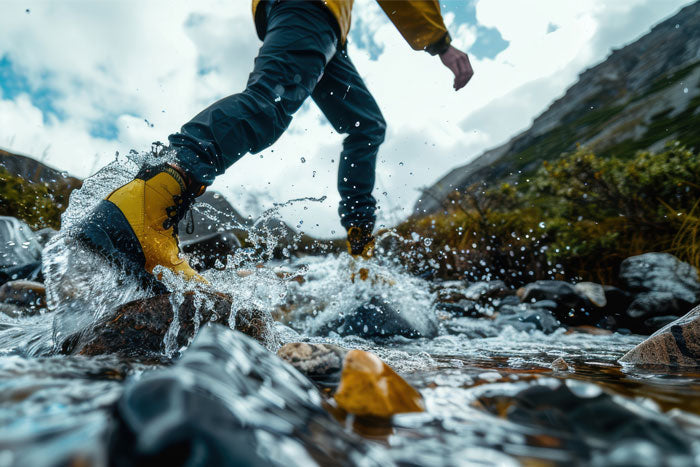
You might begin with lightweight hiking pants or shorts for warm conditions, add a comfortable long-sleeve layer for sun and temperature changes, and include a warmer pair of pants for cold-weather outings. A separate rain shell or insulating layer can then be added when the forecast requires it.
Neutral, easy-to-coordinate pieces can also move between hiking, travel and casual outdoor use. This makes it easier to pack lightly and get more regular use from each item.
Check Fit and Care Instructions Before Buying
Always review the brand’s current size guide rather than relying only on the size you normally purchase. Measurements and fit can vary among individual styles. Product descriptions can also clarify whether a garment is intended to fit close to the body, accommodate a base layer or provide a more relaxed silhouette.
Care instructions matter as well. Washing and drying outdoor clothing as directed can help preserve fabric performance, shape and finishes. Avoid assuming that every technical garment should be washed or dried in the same way.
Explore Moosehill Outdoor Clothing
Moosehill carries outdoor clothing for activities including hiking and cycling, with options designed for different seasons and trail conditions. Visit the Moosehill Outdoor Clothing page at Blue Sky Luxury Living to learn more and shop the collection.