Meet Red Light Therapy: The Feel-Good Wellness Routine
You’ll Actually Stick With (Featuring Mito Red Light)
If you’re into wellness, recovery, or skincare, there’s a
good chance you’ve heard the buzz about red light therapy—and for good
reason. It’s one of those rare habits that’s easy, relaxing, and
surprisingly powerful when you do it consistently.
No needles. No downtime. No complicated protocol.
Just a few minutes in front of the right light… and your body gets to work.
Let’s dive into what red light therapy is, why
people love it, and how to do it at home with Mito Red Light.
So, What Is Red Light Therapy?
Red light therapy (also known as photobiomodulation,
or PBM) uses specific wavelengths of light—mainly:
- Red
light (around 630–670 nm) - Near-infrared
light (around 810–850 nm)
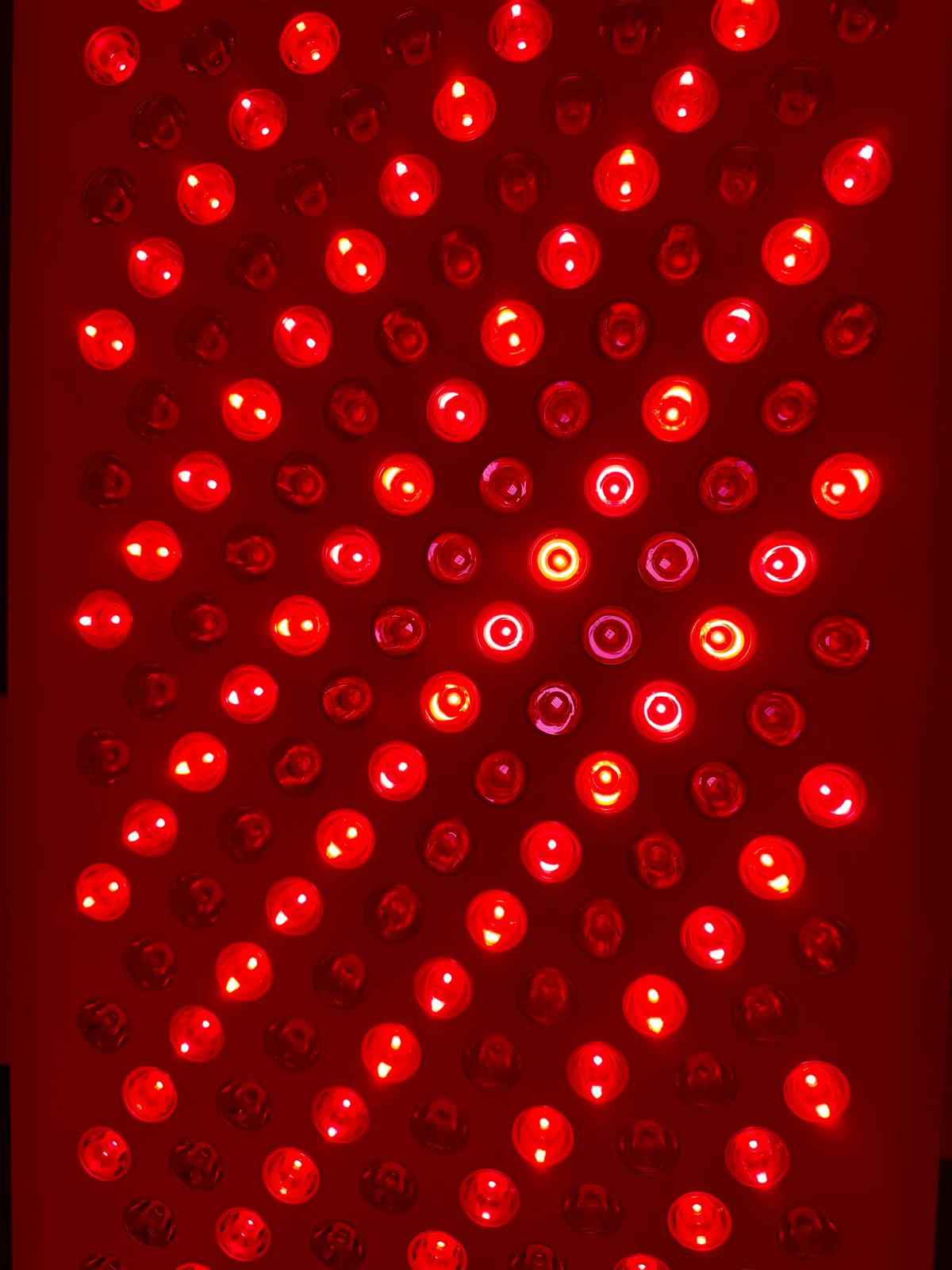
These wavelengths are delivered through LED panels and are
used to support the body’s natural processes—especially those related to recovery,
skin health, and cellular energy.
Think of it like a gentle “recharge” session for your
system—especially for the mitochondria, the energy powerhouses inside
your cells.
And no—this isn’t tanning. Red light therapy is different
from UV light. It’s designed for wellness support, not sunburn.
Why Everyone’s Obsessed: Benefits People Use It For
Red light therapy has earned its popularity because it fits
into real life. People tend to use it for:
1) Glowy, Happier-Looking Skin
Red light is a favorite in skincare routines because it’s
commonly used to support:
- A
smoother-looking complexion - The
appearance of fine lines - Overall
tone and texture - That
“I slept 8 hours and drink green juice” vibe (even if you didn’t)
2) Post-Workout Recovery (Your New Best Friend)
Near-infrared light is a go-to for active people because
it’s often used to support:
- Muscle
recovery - Training
consistency - General
comfort after tough sessions
If you lift, run, cycle, or just live a busy life—this one
hits.
3) Joint & Mobility Support
Many people add red/NIR light to their routine for:
- Day-to-day
joint comfort - Movement
support - Feeling
looser and more mobile
4) Better Wind-Down Energy
A red light session can feel incredibly calming. Some people
use it at night as part of a wind-down routine—especially because red light is
generally considered more evening-friendly than bright, blue-heavy light.
5) Everyday Wellness & “More in the Tank”
Because it’s tied to cellular energy support, users often
report feeling:
- More
energized - More
resilient - More
“recovered” from stress
How Red Light Therapy Is Done (AKA the Easy Part)
Here’s what a session looks like:
Step 1: Pick Your Area
You can target whatever you want:
- Face
and neck (skin-focused) - Back
and shoulders (tension and recovery) - Legs
(training recovery) - Full
body (general wellness routine)
Step 2: Get in Position
Most people use panels from roughly 6–18 inches away.
You’re not trying to “feel heat”—you’re just giving your body the right light.
Step 3: Keep It Simple
A super common starting point is:
- 10
minutes per area - 3–5
times per week
Consistency beats intensity. Always.
Step 4: Stack It With Your Life
This is where red light therapy becomes a habit. Use it
while:
- Stretching
- Doing
breathwork - Listening
to a podcast - Journaling
- Post-workout
cooling down
It’s basically a wellness “bonus layer” you can add to what
you already do.
Why Mito Red Light Makes At-Home Therapy So Easy
You can do red light therapy in studios or
clinics—but let’s be honest: scheduling and cost can get old fast. The real
magic comes from being able to do it regularly.
That’s why people love Mito Red Light—it makes
consistency ridiculously convenient. With Mito, you get:
- Red
+ near-infrared light commonly used in PBM routines - Different
panel sizes depending on your goals (from targeted areas to full-body) - An
at-home setup that turns this into a real routine—not a
once-in-a-while thing
If you’re aiming for steady results, having a quality panel
at home is a game-changer.
Quick Tips to Get the Best Results
A few easy wins:
- Start
small: Short sessions at first, then build - Go
bare-skin when possible: Clothing blocks light - Be
consistent: 3–5x/week is a great rhythm - Track
your changes: Skin, sleep, recovery—these often build gradually - Make
it enjoyable: If it feels good, you’ll keep doing it (and that’s the
whole point)
The Bottom Line
Red light therapy is one of the simplest wellness routines
out there: easy to do, relaxing in the moment, and supportive over time—whether
your goal is glowing skin, better recovery, or just feeling more like yourself.
If you want an at-home way to make it effortless, Mito
Red Light is a strong option to build a consistent routine without the
clinic appointments.